
Tackling Home Improvement as a Complete Beginner

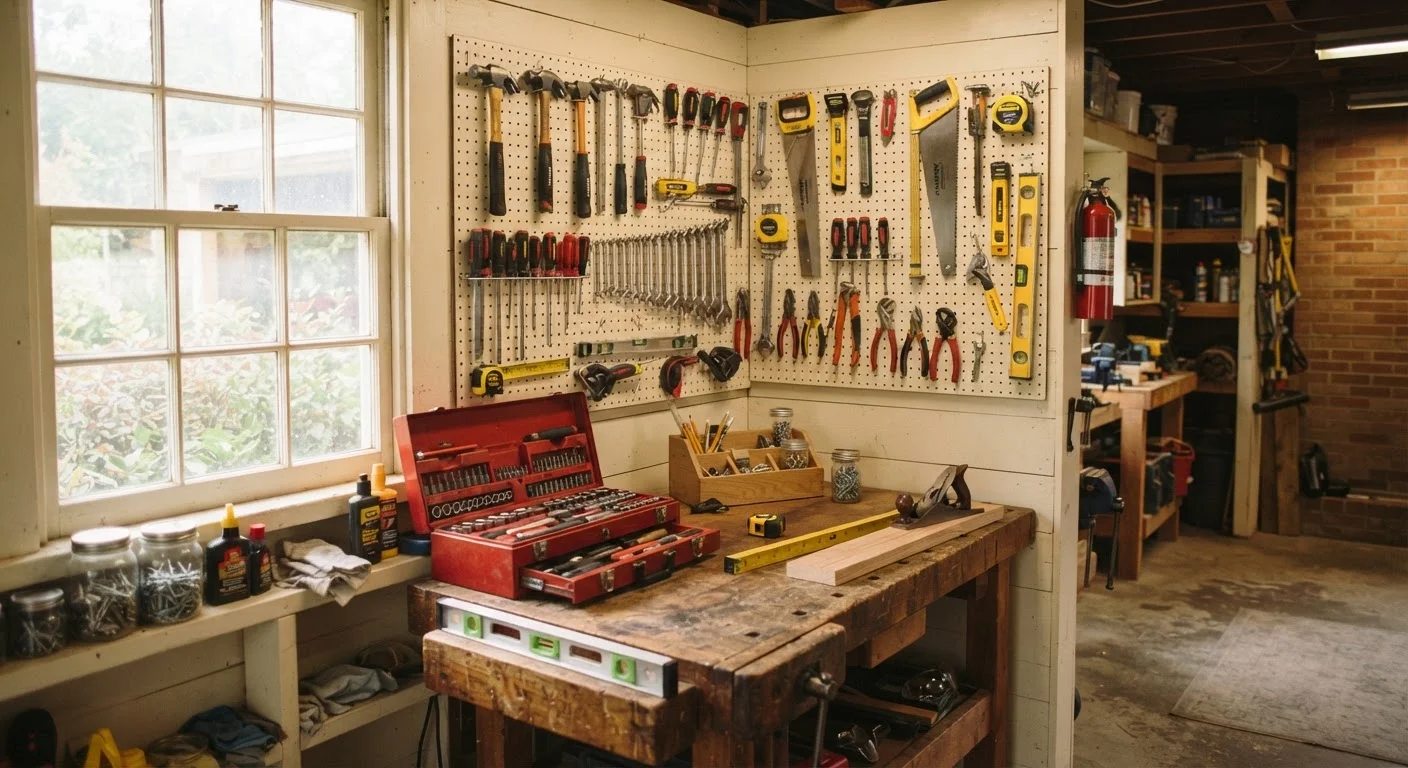
Photo: QuickSearches.net | It Doesn't Get Quicker Than This! editorial
Key Takeaways
- A modest set of quality hand tools covers the majority of beginner home repairs.
- Safety awareness - including knowing where your utility shutoffs are - is the most critical first lesson.
- Painting, patching drywall, and fixing leaky faucets are ideal beginner projects with low risk and high reward.
- Electrical, structural, and gas-line work should always involve a licensed professional.
- Knowing your limits protects your home, your wallet, and your safety.
Why Every Homeowner Should Know the Basics
Owning a home means something will always need attention - a dripping faucet, a stubborn door, a patch of peeling paint. For many new homeowners, the instinct is to immediately call a professional. That's sometimes the right call, but it's not always necessary, and over time it adds up.
Learning even a handful of fundamental repair skills puts you in a much stronger position. You'll catch small problems before they become expensive ones, communicate more clearly with contractors when you do hire out, and feel genuinely at home in your space. Our guide to your first year as a homeowner walks through exactly the kind of situations where these skills pay off. If you're still renting, the First-Time Renter's Roadmap covers what you're typically allowed to DIY versus what needs landlord approval.
The goal isn't to become a contractor - it's to become a confident, informed homeowner.
Building Your Starter Tool Kit
You don't need a garage full of equipment to handle most beginner repairs. A focused starter kit will serve you well across dozens of common tasks.
Joint compound
A paste-like material used to fill holes, cover seams in drywall, and create smooth wall surfaces before painting. Often called 'mud' by contractors.
Load-bearing wall
A wall that supports the structural weight of the home above it. Removing or modifying one without professional guidance can compromise the building's integrity.
Breaker box
The metal panel, usually in a utility area, that contains circuit breakers controlling electrical power to different areas of your home. Also called an electrical panel.
Caulk
A flexible sealant applied around gaps in windows, doors, tubs, and other joints to block air and water infiltration.
Weatherstripping
Strips of material applied around doors and windows to seal gaps and prevent air or water from passing through when closed.
Essential Hand Tools
- Claw hammer - for driving and pulling nails
- Tape measure - 25-foot length handles most interior work
- Flathead and Phillips screwdrivers - a short set of each covers virtually all hardware
- Adjustable wrench - tackles nuts and bolts without needing multiple fixed sizes
- Utility knife - for scoring, cutting drywall tape, and trimming materials
- 4-foot level - keeps shelves, frames, and fixtures straight
- Cordless drill/driver - arguably the single most useful power tool for beginners
Smart Shopping Principles
Buy tools as you need them rather than in bulk kits, which often include items you'll rarely use. Prioritize quality on tools you'll use frequently - a good tape measure and drill will outlast a home. Store tools in a dry location to prevent rust and extend their life.
Safety First: What Beginners Often Overlook
Enthusiasm is great; overconfidence can be dangerous. Before you pick up a single tool, invest thirty minutes in basic safety awareness.
Make a Home Safety Cheat Sheet
Know Your Shutoffs
Locate your main water shutoff valve, your electrical panel (the breaker box), and - if applicable - your gas shutoff before you need them in an emergency. Label your breakers clearly. This single habit can prevent a minor repair from becoming a major disaster.
Protect Yourself
- Wear safety glasses whenever you're cutting, drilling, or hammering
- Use work gloves when handling rough materials or sharp edges
- Wear a dust mask when sanding or disturbing older building materials
- Never work on electrical outlets or switches without turning off the breaker first - and confirm power is off with an inexpensive non-contact voltage tester
A Word on Older Homes
Homes built before 1978 may contain lead-based paint; those built before the mid-1980s may have asbestos-containing materials in insulation, floor tiles, or joint compound. If you're working on an older home and suspect either material is present, stop and consult a certified professional before disturbing the area.
The Best First Projects to Learn On
The smartest way to build skill is to start with projects that are low-risk, reversible, and visually rewarding. Here are the ones most worth tackling first.
Painting a Room
Painting delivers one of the highest satisfaction-to-difficulty ratios of any home project. Proper prep - cleaning walls, filling holes, taping edges - is what separates a lasting result from a sloppy one. See our guide to what pros do that most homeowners skip for technique details that make a real difference.
Patching Drywall
Small holes from nails or doorknobs can be filled with pre-mixed joint compound, sanded smooth, and painted over in an afternoon. Cracks along seams may need fiberglass mesh tape before compound is applied. Larger damage - anything bigger than roughly six inches - often benefits from a patch kit or professional repair.
Basic Plumbing Fixes
Replacing a worn faucet washer, swapping a showerhead, or fixing a running toilet are all beginner-appropriate repairs. Our article on plumbing fixes you can do without a license draws a clear line between what's safe to DIY and what isn't.
Caulking and Weatherstripping
Air leaks around windows and doors waste energy year-round. Applying fresh caulk or replacing worn weatherstripping is inexpensive, low-skill, and pays for itself quickly in comfort and reduced utility costs.
Knowing When to Call a Professional
One of the most important skills a beginner can develop is recognizing the boundary between DIY-appropriate and professionally required work. Getting this wrong can cost far more than a service call - it can void insurance, create code violations, or cause real physical harm.
Don't Skip Permits on Major Work
Always hire a licensed professional for:
- Any work inside your electrical panel or involving new circuit wiring
- Gas line connections, repairs, or appliance installations
- Structural changes - removing or modifying walls, especially load-bearing ones
- Roof repairs beyond replacing a handful of shingles
- Any project that requires a permit in your municipality
Our guide to hiring a contractor vs. doing it yourself helps you think through the decision systematically. And if you're unsure whether a permit is required, our article on what permits are actually required explains what typically triggers one and why skipping it can create problems at resale. The homeowner's glossary of renovation terms is also worth bookmarking - understanding the language contractors use helps you ask better questions and spot red flags.
Starting small, staying safe, and knowing your limits isn't timid - it's exactly how competent, confident homeowners approach their homes.
Frequently Asked Questions
The content on this site is provided for informational purposes only and should not be considered a substitute for professional advice. While we strive to provide accurate and up-to-date information, we make no guarantees regarding its completeness or accuracy. Always consult a qualified professional for advice specific to your circumstances before making any decisions