
Flooring Myths That Keep Homeowners From Making Good Choices

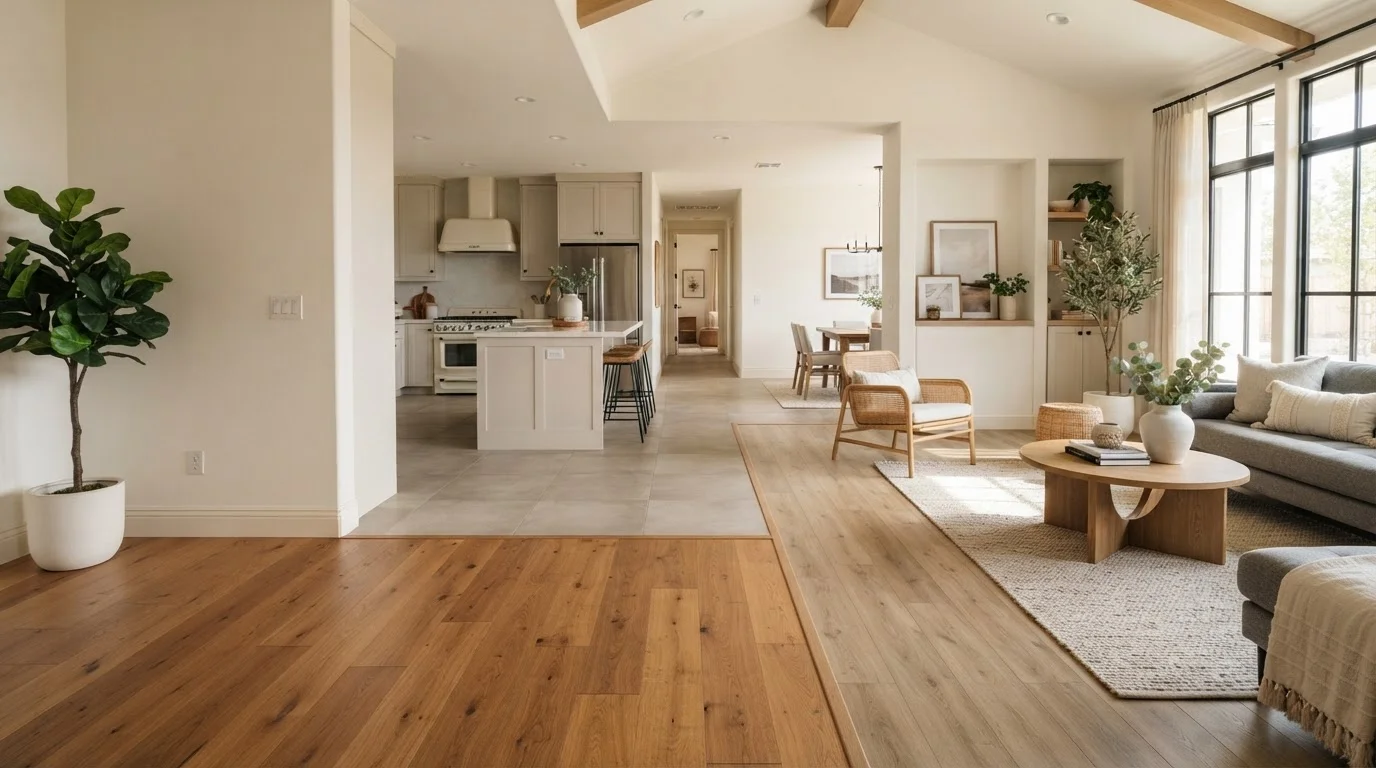
Photo: QuickSearches.net | It Doesn't Get Quicker Than This! editorial
Key Takeaways
- Hardwood flooring does not automatically increase a home's resale value in every market or situation.
- Modern luxury vinyl plank can last 20-plus years with proper care, rivaling many traditional flooring options.
- Tile floors feel cold primarily because of poor installation - radiant heating and underlayment can fix this.
- Carpet is not inherently worse for allergy sufferers than hard flooring when vacuumed and cleaned regularly.
- The cheapest flooring upfront is rarely the most affordable option when lifetime maintenance costs are factored in.
Why Flooring Myths Are So Costly
Flooring is one of the most consequential purchases a homeowner can make - covering every square foot underfoot, affecting comfort, resale appeal, and long-term maintenance. Yet the decisions too many people make are still guided by myths passed down through neighborhoods and home improvement shows rather than current research or professional guidance.
The stakes are real. A misguided flooring choice can mean thousands of dollars spent on materials that underperform expectations, or perfectly good options dismissed for reasons that simply don't hold up to scrutiny. Just as outdated assumptions cost drivers money - as explored in our piece on car maintenance myths that drain your wallet - flooring misconceptions can quietly take a toll on homeowners who don't know better.
Below, we separate the most common flooring myths from evidence-based reality so you can shop, install, and maintain with confidence.
Myth
Hardwood floors always boost your home's resale value and are the only flooring worth investing in.
Fact
Hardwood can appeal to buyers, but its return on investment varies widely by region, housing market, and condition of the floors at time of sale.
Real estate professionals generally note that hardwood flooring is a desirable feature in many markets, but it does not guarantee a dollar-for-dollar return - or any return at all - in every situation. Scratched or dated hardwood may actually detract from an offer. In humid climates, hardwood can warp or require costly acclimation periods. High-quality luxury vinyl plank or tile may poll equally well with buyers in certain price brackets or geographic regions. The takeaway: choose flooring based on your home's specific needs and your realistic timeline, not on blanket assumptions about resale magic.
Myth
Vinyl flooring is cheap and will need to be replaced within a few years.
Fact
Modern luxury vinyl plank (LVP) is engineered to be highly durable, with many products carrying wear warranties of 15 to 25 years under normal residential use.
The vinyl flooring of two or three decades ago - thin, brittle sheet vinyl - bears little resemblance to today's luxury vinyl plank and tile products. Contemporary LVP features a rigid core, a photographic design layer that realistically mimics wood or stone, and a thick wear layer that resists scratches, dents, and moisture. It is also fully waterproof, making it a practical choice for kitchens, bathrooms, and basements where hardwood would be risky. Dismissing vinyl as low-quality based on older products means overlooking one of the most genuinely versatile flooring options available today.
Myth
Tile floors are always cold and uncomfortable, making them a bad choice for living spaces.
Fact
Tile feels cool because it conducts heat away from your feet efficiently - but radiant floor heating systems and area rugs eliminate this problem entirely.
Tile's thermal conductivity is a physics property, not a design flaw. In warmer climates, that same quality keeps rooms feeling refreshingly cool. In colder regions, electric or hydronic radiant heating installed beneath tile creates a consistently warm surface that many homeowners describe as more comfortable than any other flooring type. Even without radiant heating, layering area rugs over tile in living and bedroom spaces dramatically changes the feel underfoot. Tile's durability, moisture resistance, and low maintenance requirements make it an excellent long-term option in many applications.
Myth
Carpet is bad for allergy sufferers and should always be replaced with hard flooring.
Fact
Research suggests carpet can actually trap allergens, keeping them out of the air - as long as the carpet is vacuumed regularly and cleaned professionally on a routine schedule.
The idea that carpet worsens allergies is an oversimplification. Hard flooring can allow allergens like dust mite particles and pet dander to circulate freely in the air whenever foot traffic disturbs them. Carpet fibers, by contrast, hold those particles in place until they are removed by vacuuming. Studies conducted by organizations such as the Carpet and Rug Institute suggest that properly maintained carpet can have a neutral or even beneficial effect for some allergy sufferers compared with hard floors. The critical variable is maintenance: a carpet that is rarely cleaned will accumulate allergens at levels that can aggravate symptoms. Weekly vacuuming with a HEPA-filter vacuum and professional deep cleaning every 12 to 18 months make a significant difference.
Myth
The least expensive flooring option will save you the most money in the long run.
Fact
Lower upfront costs often come with higher maintenance expenses, shorter lifespans, and earlier replacement cycles that make bargain flooring more costly over time.
Total cost of ownership - not sticker price - is the relevant number. A budget laminate installed in a high-traffic area may bubble, scratch, or de-laminate within five to eight years, requiring full replacement. A slightly higher upfront investment in a quality product can easily outlast two or three cheaper alternatives. Factor in installation labor, which is often a fixed cost regardless of material price, and the calculation shifts further in favor of mid- to higher-grade products. Before purchasing any flooring, ask suppliers for realistic lifespan estimates and inquire about warranty terms and what conditions might void them.
Making Smarter Flooring Decisions
Understanding the facts about flooring doesn't just save money at the point of purchase - it shapes how you maintain your floors, how long they last, and whether they genuinely add to your home's value. Resale expectations, in particular, deserve careful attention. Flooring is just one piece of a larger equity-building puzzle, and it's worth reading about common myths about building home equity before assuming any single upgrade will pay for itself.
DIY Installation Has Limits - Know When to Call a Pro
Similarly, the principle applies to your whole home: believing in tidy shortcuts often leads to long-term chaos, whether you're organizing rooms or selecting materials. Our look at home organization myths that keep your house cluttered covers related thinking traps.
When evaluating any flooring project, ask contractors about regional climate considerations, subfloor condition, and typical maintenance demands before signing anything. Always verify whether your project requires permits or inspections under local building codes - requirements vary significantly by municipality and project scope.
The content on this site is provided for informational purposes only and should not be considered a substitute for professional advice. While we strive to provide accurate and up-to-date information, we make no guarantees regarding its completeness or accuracy. Always consult a qualified professional for advice specific to your circumstances before making any decisions