
Everything the FITT Principle Actually Tells You About Building a Workout Plan

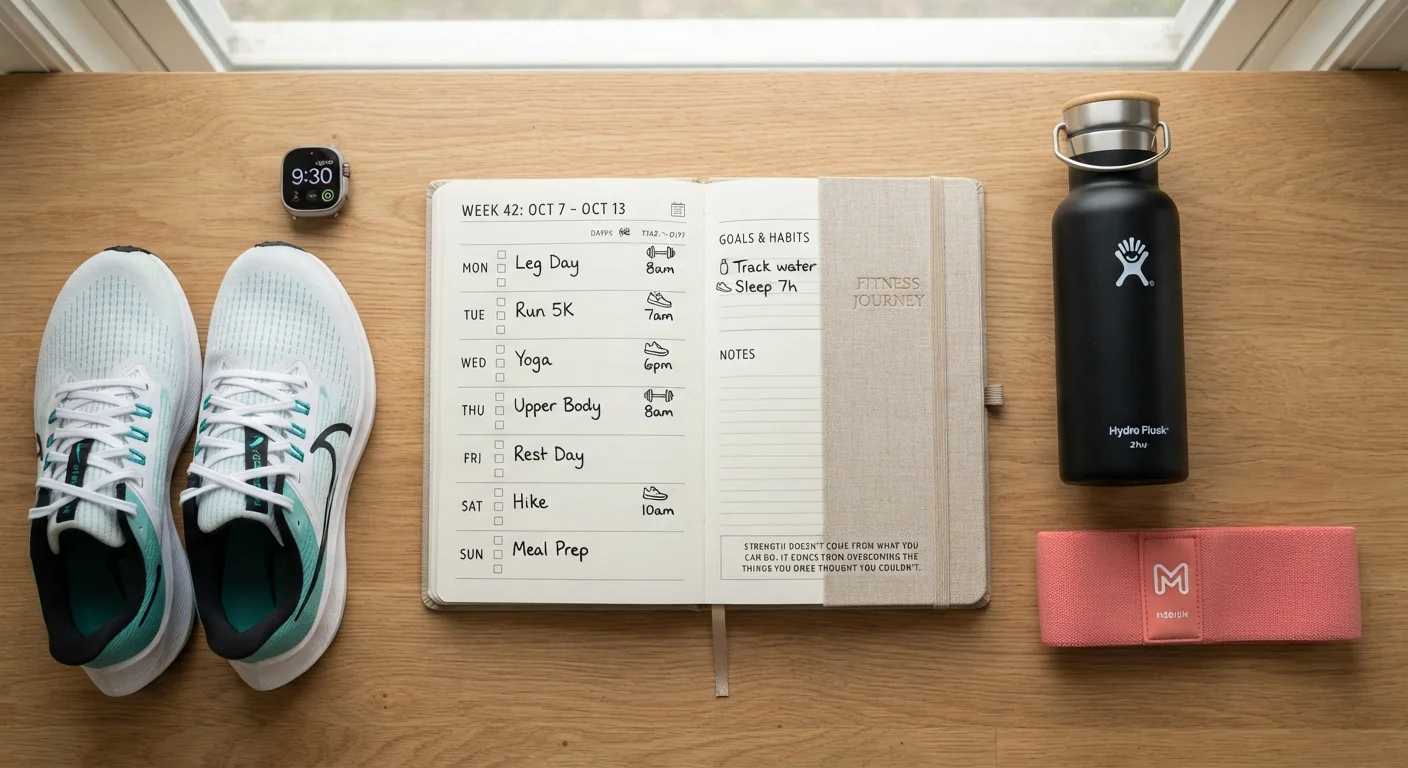
Photo: QuickSearches.net | It Doesn't Get Quicker Than This! editorial
Key Takeaways
- FITT stands for Frequency, Intensity, Time, and Type - four variables that define any workout.
- Adjusting even one FITT variable can meaningfully change how a workout challenges your body.
- The framework applies to both cardio and strength training at any fitness level.
- Beginners should start conservatively and progress gradually across FITT variables.
- A qualified fitness or healthcare professional can help personalize FITT guidelines to your needs.
Why a Simple Framework Can Solve a Common Problem
Most people who struggle to stay consistent with exercise don't lack motivation - they lack structure. Without a clear plan, workouts become random, progress stalls, and it's easy to either do too little or push too hard and get hurt. The FITT principle addresses this directly by giving you four specific levers to work with whenever you design or adjust a routine.
Rather than guessing whether you're doing enough, FITT turns workout planning into a deliberate process. It's used by personal trainers, physical therapists, and sports coaches, but it's equally useful for someone lacing up their sneakers for the first time. See our guide to building a weekly movement routine for a practical look at how to put a full week together.
Breaking Down Each FITT Variable
Frequency refers to how many days per week you exercise. The right number depends on your goals, recovery capacity, and what type of training you're doing. General physical activity guidelines from the U.S. Department of Health and Human Services recommend at least 150 minutes of moderate-intensity aerobic activity per week for most adults, spread across several days - but this is a population-level guideline, not a personal prescription.
Intensity describes how challenging the effort is. For cardio, this is often tracked using heart rate zones or a Rating of Perceived Exertion (RPE) scale - a simple 1-10 self-assessment of how hard you feel you're working. For strength training, intensity relates to how much resistance you're using relative to your maximum capability. Understanding terms like RPE and rep ranges can make managing intensity much less confusing.
Time is the duration of each workout session. This doesn't have to mean long gym hours. A focused 20-minute strength session can be just as structured and intentional as a 60-minute one, especially when frequency and intensity are calibrated appropriately. If your schedule is tight, fitting exercise into a 9-to-5 routine is entirely achievable with smart time management.
Type refers to the mode of exercise - walking, swimming, cycling, resistance training, yoga, or any combination. This variable directly shapes what physiological adaptations you'll experience. Cardio exercise primarily develops cardiovascular endurance, while resistance training builds muscular strength and bone density. Most well-rounded programs include both.
150 min
Weekly moderate aerobic activity recommended for adults
According to the U.S. Department of Health and Human Services Physical Activity Guidelines for Americans.
2x/week
Minimum muscle-strengthening activity days recommended
The same federal guidelines recommend adults engage in muscle-strengthening activities on at least two days per week.
~46%
Adults who meet aerobic activity guidelines
CDC data suggests fewer than half of U.S. adults meet the recommended aerobic physical activity guidelines.
How the Four Variables Work Together
FITT's real power comes from understanding that the four variables are connected. Increasing intensity often means reducing frequency or duration to allow recovery. Adding a new type of exercise - say, switching from walking to jogging - might require pulling back on time initially. These trade-offs are normal and intentional, not signs that something is wrong with your plan.
This interdependence also makes FITT a useful tool for progression. A common approach is to increase one variable at a time - often by no more than 10% per week - to keep the body adapting without overwhelming it. This concept, called progressive overload, is a cornerstone of exercise science. If you're weighing how to sequence different types of exercise within a single session, the order of cardio and strength training also matters and is worth understanding.
Adjust One Variable at a Time
For people managing joint concerns or returning from an injury, adjusting the Type variable - shifting toward low-impact modalities - is one of the most practical applications of FITT. Low-impact movement comes with real trade-offs, and FITT helps you account for them honestly.
This article is for general informational purposes only and is not a substitute for personalized medical or fitness advice. Consult a qualified healthcare provider or certified fitness professional before starting a new exercise program, especially if you have existing health conditions.
Frequently Asked Questions
The content on this site is provided for informational purposes only and should not be considered a substitute for professional advice. While we strive to provide accurate and up-to-date information, we make no guarantees regarding its completeness or accuracy. Always consult a qualified professional for advice specific to your circumstances before making any decisions