
The 50/30/20 Rule vs. the Envelope Method: Which Budgeting Style Fits Your Life?

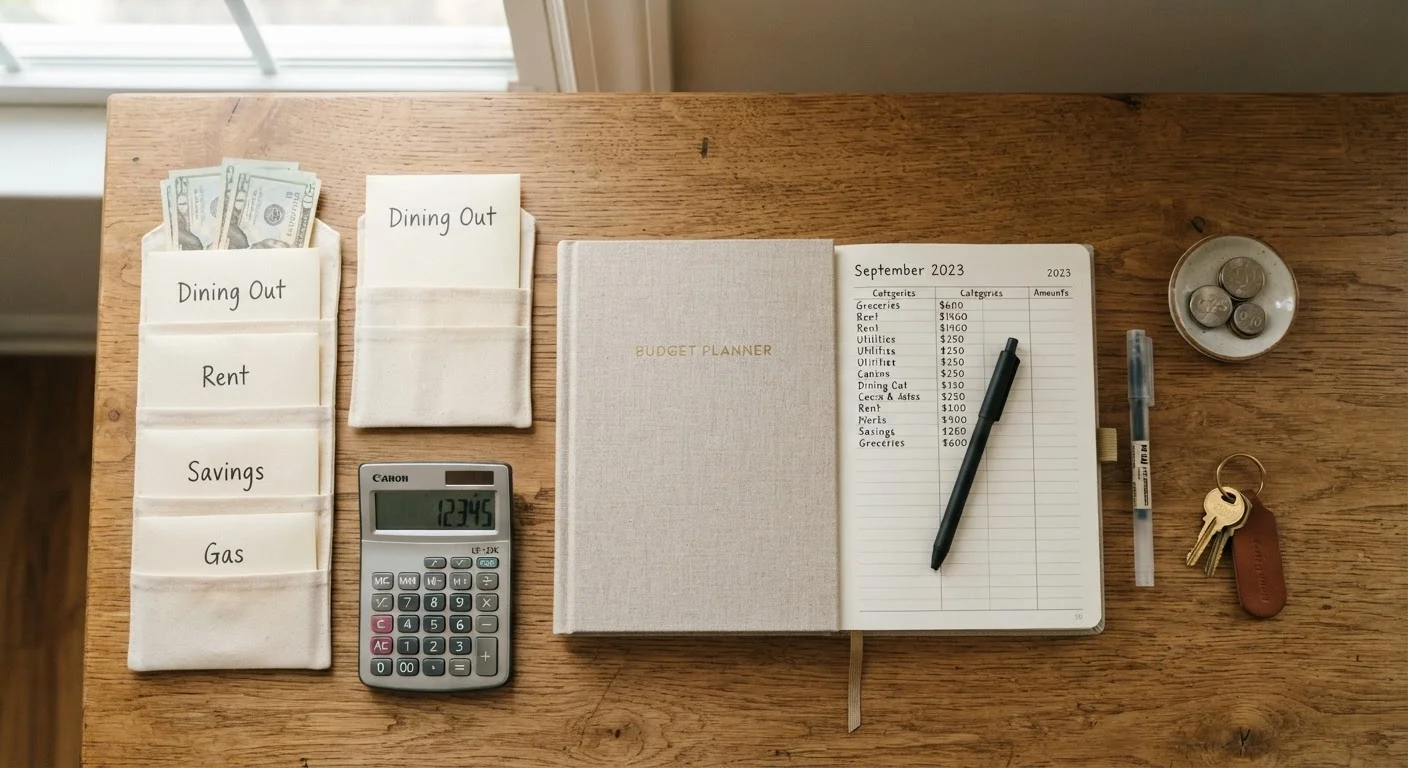
Photo: QuickSearches.net | It Doesn't Get Quicker Than This! editorial
Key Takeaways
- The 50/30/20 rule splits income into needs, wants, and savings - no micro-tracking required.
- The envelope method uses physical cash (or digital equivalents) to cap spending in each category.
- Neither method suits every lifestyle - your income type and spending habits should drive the choice.
- Both approaches work best when reviewed monthly and adjusted as life changes.
- You can combine elements of both methods for a hybrid system that fits your situation.
How Each Method Actually Works
The 50/30/20 rule was popularized in personal finance circles as a high-level framework: allocate 50% of your after-tax income to needs (rent, utilities, groceries, insurance), 30% to wants (dining out, subscriptions, entertainment), and 20% to savings or debt repayment. The appeal is speed - you're not itemizing every purchase, just checking whether your spending falls in the right broad bucket at the end of the month.
The envelope method takes the opposite approach. Before the month begins, you withdraw cash and physically divide it into labeled envelopes - one for groceries, one for gas, one for dining out, and so on. When an envelope is empty, spending in that category stops. No exceptions. The method works because it makes the abstract concrete: you can see and feel how much is left, which changes how you make spending decisions in the moment.
Modern households don't always carry cash, and digital versions of the envelope system - using separate checking accounts or budgeting apps that replicate the envelope structure - follow the same logic without physical bills. For more on those tools, see how digital envelopes work in practice.
| Criterion | 50/30/20 Rule | Envelope Method |
|---|---|---|
| Core concept | Split income by percentage | Allocate fixed cash per category |
| Tracking effort | Low - broad buckets only | High - every category managed |
| Best income type | Steady, predictable paycheck | Variable or irregular income |
| Spending control | Flexible - no hard caps | Strict - empty envelope = stop |
| Savings built in | Yes - 20% dedicated | Only if you create a savings envelope |
| Works with digital payments | Yes - easily | Requires cash or workaround apps |
| Setup time | Under 30 minutes | 1-2 hours per month |
| Ideal for overspenders | Not specifically | Yes - hard limits by design |
Where Each Method Struggles
The 50/30/20 rule's flexibility is also its weakness. If your rent alone consumes 45% of take-home pay - a reality for millions of renters in higher-cost cities - the math breaks down quickly. The framework assumes a cost-of-living situation that doesn't reflect everyone's circumstances. It also provides no guardrails on individual categories within the "wants" bucket, so someone who overspends on takeout won't necessarily catch it until they hit a monthly total.
The envelope method demands consistent effort. You have to withdraw and sort cash every month, track remaining balances, and decide how to handle a shortfall mid-month when one envelope runs dry. For people with irregular bills or who pay most expenses digitally, the method can feel clunky. Irregular income households face another challenge: the amounts you load into each envelope can vary significantly month to month, which requires re-budgeting from scratch each pay period.
If you're not sure which method's friction you'd find easier to manage, it helps to understand what common assumptions trip people up before they start. Budgeting myths that keep people from starting walks through several misconceptions that stall people before they even pick a method.
When Neither Method Fits Cleanly
Picking One - or Combining Both
The honest answer is that the "right" method is the one you'll actually use consistently. A few factors tip the scale:
- Steady vs. variable income: Regular paychecks suit the 50/30/20 rule's percentage structure. Freelancers or gig workers who earn different amounts each month often do better with the envelope method's fixed-dollar discipline.
- Where your money bleeds: If you know you overspend in one or two specific categories, the envelope method surgically targets those. If your overall spending is reasonable but savings are thin, the 50/30/20 framework's savings mandate is more useful.
- How much tracking you'll tolerate: The 50/30/20 rule needs minimal upkeep. The envelope method needs active management. Both beat no budget at all.
Many people find that a hybrid works well: use the 50/30/20 rule as a big-picture guide, then apply envelope-style limits to the two or three categories where you historically overspend. This reduces the administrative load while targeting the specific leaks that matter most.
Whichever method you start with, plan a monthly check-in to review what worked and what didn't. A month-end budget review checklist gives you a practical structure for that process. And if you're still deciding how you'll record and track your budget - whether on paper, a spreadsheet, or an app - matching the right tool to your style can help you make that call confidently.
This article is for general informational and educational purposes only and does not constitute personalized financial advice. Consider consulting a qualified financial professional for guidance specific to your situation.
The content on this site is provided for informational purposes only and should not be considered a substitute for professional advice. While we strive to provide accurate and up-to-date information, we make no guarantees regarding its completeness or accuracy. Always consult a qualified professional for advice specific to your circumstances before making any decisions