
Monthly Budget Glossary: The Terms You Need to Know Before You Start

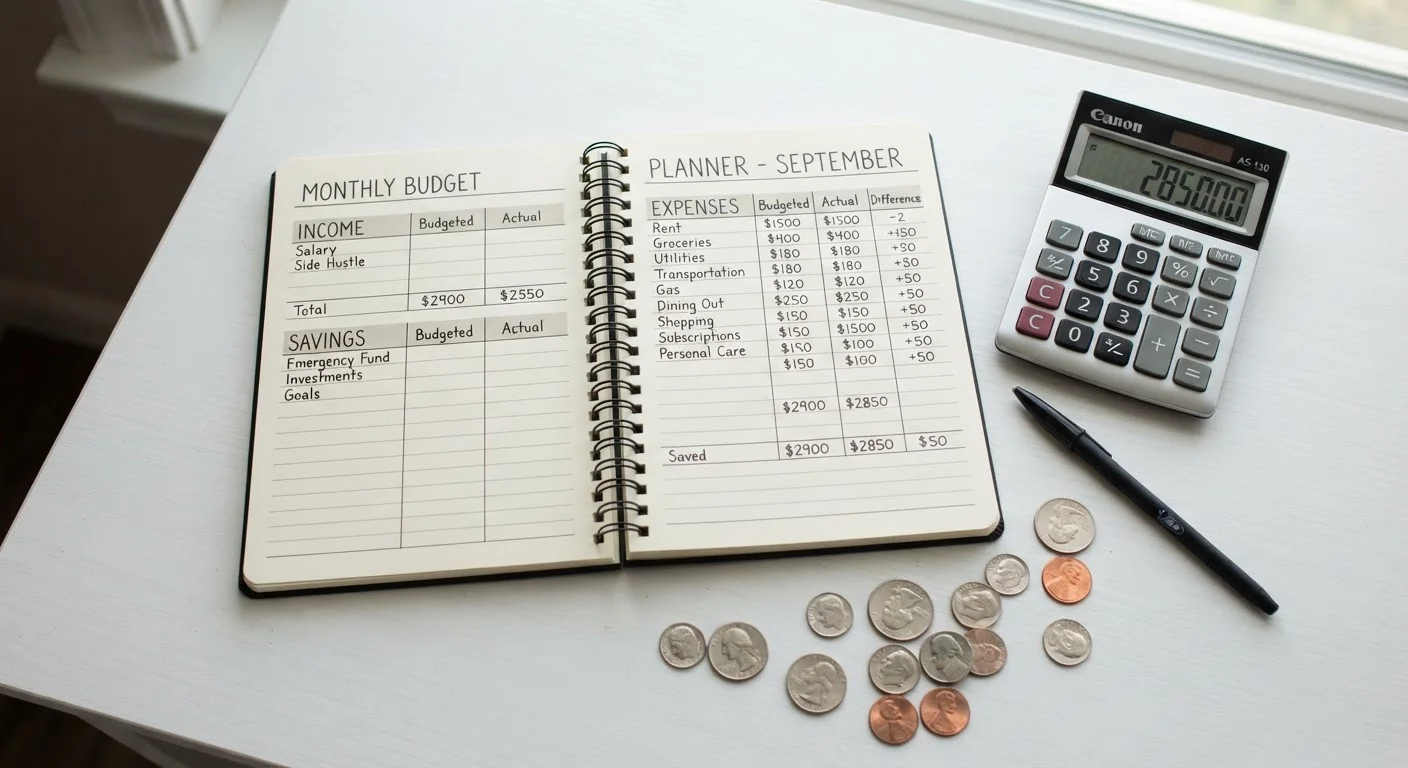
Photo: QuickSearches.net | It Doesn't Get Quicker Than This! editorial
Why Knowing the Language Matters
Most people don't fail at budgeting because they lack discipline - they fail because the terminology feels like a foreign language. When a financial article tells you to "allocate discretionary income to a sinking fund," it loses half its readers in the first sentence.
This glossary cuts through that. Whether you're setting up your very first budget or trying to make sense of advice you've already heard, knowing these terms puts you in control of the conversation. Every definition below is written in plain English, with everyday examples where they help.
Once you're comfortable with the vocabulary, building your first monthly budget becomes a much less intimidating task. You can also explore the complete personal budgeting guide for a deeper look at how these concepts fit together into a working system.
Gross Income
Your total earnings before any taxes or deductions are taken out. This is the number on your offer letter or invoice, not the number on your paycheck.
Net Income
The money you actually take home after taxes, Social Security, Medicare, and any other payroll deductions. Your budget must be built on net income - not gross - because that's what you have available to spend.
Fixed Expense
A recurring cost that stays the same amount each month, such as rent, a car loan payment, or a monthly insurance premium. Fixed expenses are easy to plan for because you know exactly what's coming.
Variable Expense
A recurring cost that changes in amount from month to month, such as groceries, gas, or utility bills. You can estimate these, but the actual amount will fluctuate based on your behavior and circumstances.
Discretionary Spending
Money spent on non-essential wants rather than contractual obligations - dining out, entertainment, clothing beyond basics. It's called discretionary because you have the most control over it.
Non-Discretionary Spending
Spending on necessities you cannot reasonably eliminate - housing, food, utilities, transportation to work, and essential healthcare. These costs must be covered before anything else is allocated.
Budget Deficit
When your monthly expenses exceed your monthly income. Running a deficit means you're spending more than you earn, typically by drawing down savings or adding debt.
Budget Surplus
When your monthly income exceeds your monthly expenses. A surplus gives you money to direct toward savings goals, debt repayment, or investments.
Sinking Fund
A savings pool built gradually each month to cover a known future expense - like car registration, holiday shopping, or an annual insurance premium. It prevents predictable costs from feeling like financial emergencies.
Emergency Fund
Money set aside specifically for unexpected, unavoidable expenses - job loss, medical bills, major car repairs. Most financial guidance suggests keeping three to six months of essential expenses in an accessible account.
Zero-Based Budget
A budgeting method where every dollar of income is assigned a specific purpose - spending, saving, or debt repayment - so that income minus all allocations equals zero. No dollar is left unassigned.
50/30/20 Rule
A popular budgeting guideline that suggests directing roughly 50% of net income to needs, 30% to wants, and 20% to savings and debt repayment. It's a starting framework, not a rigid rule - adjust percentages to fit your actual situation.
Core Income and Spending Terms
These are the foundational terms that show up in virtually every budget method. Nail these and the rest gets easier fast.
| What to budget from | Net income (take-home pay), not gross |
| Fixed expense example | Rent, car loan, insurance premium |
| Variable expense example | Groceries, gas, electric bill |
| Common emergency fund target | 3-6 months of essential expenses (Consumer Financial Protection Bureau guidance) |
| 50/30/20 split | 50% needs / 30% wants / 20% savings & debt |
| Sinking fund purpose | Planned savings for irregular but predictable costs |
Fixed vs. variable expenses is one of the most practical distinctions in budgeting. Fixed expenses - rent, car payments, insurance premiums - stay the same each month. Variable expenses - groceries, utilities, gas - shift depending on your habits and circumstances. Understanding the difference is so important that it changes how you build your entire plan. See our breakdown of fixed vs. variable expenses for a full explanation.
A sinking fund deserves special attention because it solves a problem most budgeters don't see coming: irregular but predictable expenses. Car registration, holiday gifts, and annual subscriptions aren't surprises - but they feel like emergencies when you haven't set money aside each month. A sinking fund is simply a dedicated savings pool you contribute to gradually so the money is ready when the bill arrives.
Discretionary spending is another term that trips people up. It doesn't mean frivolous or wasteful - it means spending that isn't contractually required. Dining out, streaming services, and gym memberships are discretionary. So is a child's extracurricular activity. Discretionary doesn't mean optional in an absolute sense; it means flexible, and that flexibility is where most budget adjustments actually happen.
If you've run into myths about what budgeting requires you to give up, common budgeting myths examined addresses those directly.
This article provides general financial information and education only. It is not personalized financial advice. For decisions specific to your situation, consult a licensed financial professional.
The content on this site is provided for informational purposes only and should not be considered a substitute for professional advice. While we strive to provide accurate and up-to-date information, we make no guarantees regarding its completeness or accuracy. Always consult a qualified professional for advice specific to your circumstances before making any decisions