
Things Travelers Assume About Booking That Aren't Always True

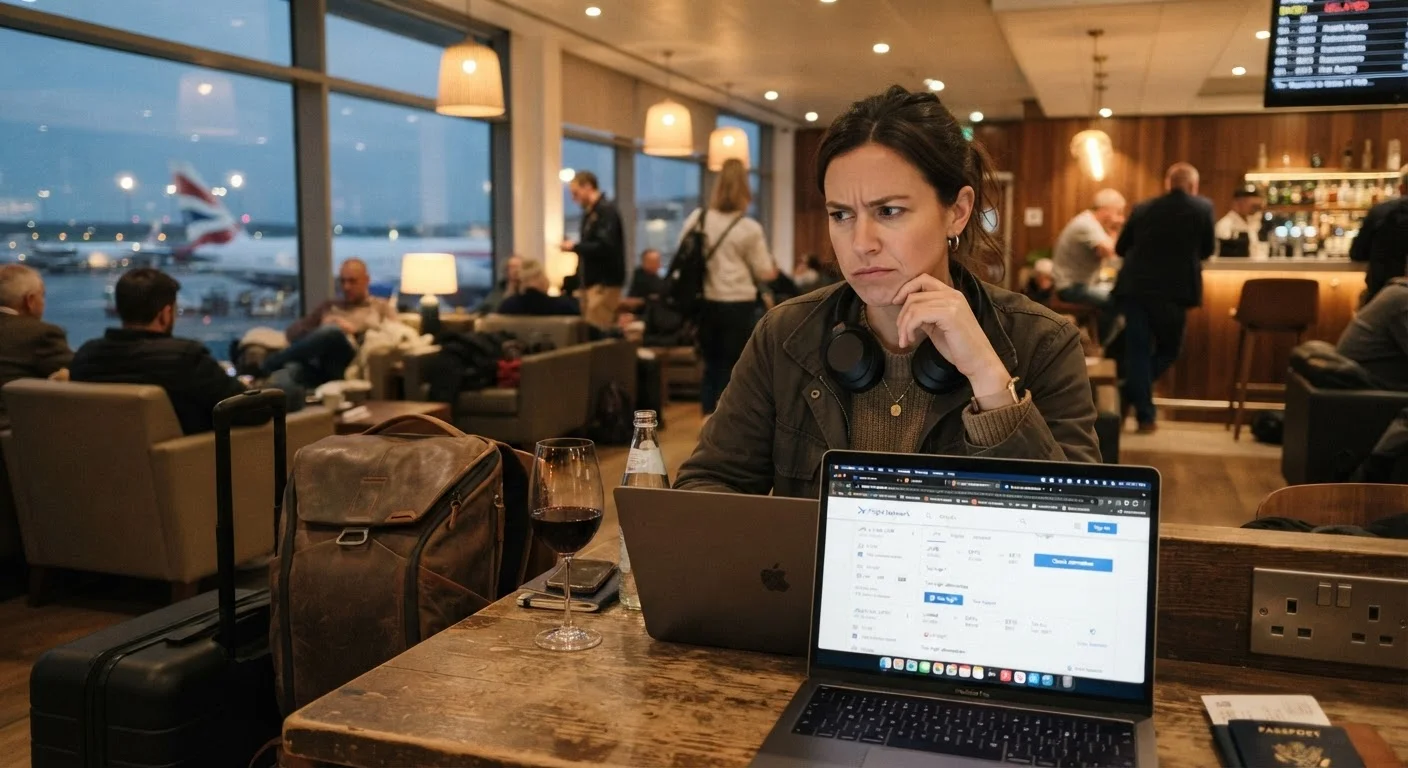
Photo: QuickSearches.net | It Doesn't Get Quicker Than This! editorial
Key Takeaways
- Tuesday is not universally the cheapest day to book or fly - fare pricing is more dynamic than that.
- Booking direct with hotels or airlines sometimes offers better rates or perks than third-party sites.
- Last-minute deals exist but are unreliable; waiting too long usually costs more, not less.
- Incognito mode does not reliably lower the prices you see when searching for flights.
- Earlier is not always better - optimal booking windows vary by trip type and destination.
Why Travel Booking Myths Spread So Easily
Travel advice travels fast - especially when it sounds like insider knowledge. A tip shared by a friend who once scored a cheap fare can harden into "fact" after being repeated enough times. The problem is that airline and hotel pricing systems are genuinely complex, and what worked once in a specific situation doesn't always generalize into a reliable rule.
The myths below aren't random - they each contain a kernel of truth that got stretched too far. Understanding the nuance helps you make decisions based on reality rather than folklore. For a broader look at how timing affects what you pay, see how far ahead you should actually book.
Myth
Tuesday is always the cheapest day to book a flight.
Fact
Fare prices shift constantly and no single weekday reliably offers the lowest prices across all routes.
This myth likely originated from a real pattern - airlines historically released fare sales on Monday nights, prompting competitors to match by Tuesday. But modern pricing is algorithmic and updates in real time based on demand, seat availability, and competitor data. Studies by fare-tracking services have found that savings tied to a specific booking day are often marginal or inconsistent. The better approach: monitor fares over a window of several weeks for your specific route rather than waiting for a particular day of the week. For a deeper look at airfare timing research, see common airfare myths that lead travelers to overpay.
Myth
Using incognito mode shows you lower flight prices.
Fact
There is no consistent, verified evidence that private browsing mode changes the prices airlines or travel sites display.
The idea is that travel sites track your searches via cookies and raise prices when they detect repeated interest. While some sites do use cookies for personalization, major airlines and booking platforms price seats based on inventory and demand - not your browser history. Switching to incognito won't reset the fare. What may vary: prices shown to users in different geographic regions or those logged into loyalty accounts. If you want to compare, try searching from a different device or clearing cookies - but don't expect dramatic savings from either.
Myth
Booking directly with the hotel or airline is never worth it.
Fact
Direct booking sometimes offers rate matching, loyalty perks, or added flexibility that third-party sites can't match.
Third-party aggregators are genuinely useful for comparing options quickly. But once you've identified where you want to stay or fly, it's worth checking the provider's own site. Many hotel chains offer "best rate guarantees" for direct bookings, along with perks like room upgrades, early check-in, or loyalty points that don't transfer through an OTA (online travel agency). Airlines sometimes include slightly different cancellation or change terms for direct bookings. Neither channel is always cheaper - the right move is to compare both before committing. Budget travelers should also weigh hidden fees on both sides; underestimated costs that catch travelers off guard covers what often gets missed.
Myth
Last-minute bookings always mean better deals.
Fact
Last-minute deals exist in specific circumstances, but waiting usually increases - not decreases - what you pay.
The last-minute deal narrative persists because it occasionally comes true: an airline with unsold seats may drop prices close to departure, or a hotel might discount rooms to avoid vacancies. But these scenarios are unpredictable and route-dependent. For popular destinations, peak travel periods, or flights with limited capacity, last-minute prices are typically higher. Relying on last-minute savings as a strategy is a gamble - one that can leave budget travelers with far fewer options or significantly higher costs. If flexibility is a genuine possibility for you, shoulder season travel is a more reliable way to find lower prices without the uncertainty.
Myth
Flying into the nearest major airport is always the most practical choice.
Fact
Alternate airports sometimes offer meaningfully lower fares, though ground transportation costs can offset the savings.
Checking secondary or regional airports near your destination is worth doing, particularly if the alternate airport is served by budget carriers. However, the total picture matters: a $60 fare savings can disappear quickly when a shuttle, rental car, or longer transfer adds $50-$80 and two extra hours to your trip. Flying into alternate airports walks through how to weigh these trade-offs honestly before booking.
Myth
Booking as early as possible always gets you the best price.
Fact
Optimal booking windows vary significantly by destination, season, and travel type - booking too early can mean paying more.
Airlines typically release seats in pricing tiers; the cheapest inventory sells first, but prices don't simply rise in a straight line from day of booking to departure. Fares can dip during slow booking periods or rise sharply as capacity tightens. Research generally suggests that for domestic flights, a window of one to three months ahead tends to show competitive fares - but international routes, holiday travel, and specific markets follow different patterns. Booking six months out for a Thanksgiving flight to a major hub may lock you into a mid-tier price rather than a deal.
What This Means for Your Next Trip
The common thread across these myths is that travel pricing is dynamic - driven by algorithms, seat inventory, demand signals, and competition that shift constantly. No single trick reliably beats the system every time.
What does help: flexibility on dates and airports, knowing what a reasonable fare looks like for your route before you commit, and understanding what fees may be hiding inside a low headline price. The real cost of a cheap flight ticket breaks down the fees that budget fares often obscure - worth reading before you click "book."
1-3 months
Typical sweet spot for domestic flight booking
Fare analysis by travel research platforms generally identifies this window as where competitive pricing is most consistent for U.S. domestic routes.
~30%
Travelers who don't compare direct vs. OTA prices
Surveys by consumer travel organizations suggest a significant share of travelers book through the first platform they search without checking the provider's own site.
Travelers who approach booking with a clearer picture of how pricing actually works tend to make fewer costly assumptions. That means checking both aggregator sites and direct booking pages, watching fares over a reasonable window rather than fixating on one magic moment, and building a realistic budget that accounts for what's not in the headline number. For that last piece, building a travel budget that holds up is a practical next step.
Don't Mistake a Low Fare for a Low Total Cost
The content on this site is provided for informational purposes only and should not be considered a substitute for professional advice. While we strive to provide accurate and up-to-date information, we make no guarantees regarding its completeness or accuracy. Always consult a qualified professional for advice specific to your circumstances before making any decisions