
Common Airfare Myths That Lead Travelers to Overpay

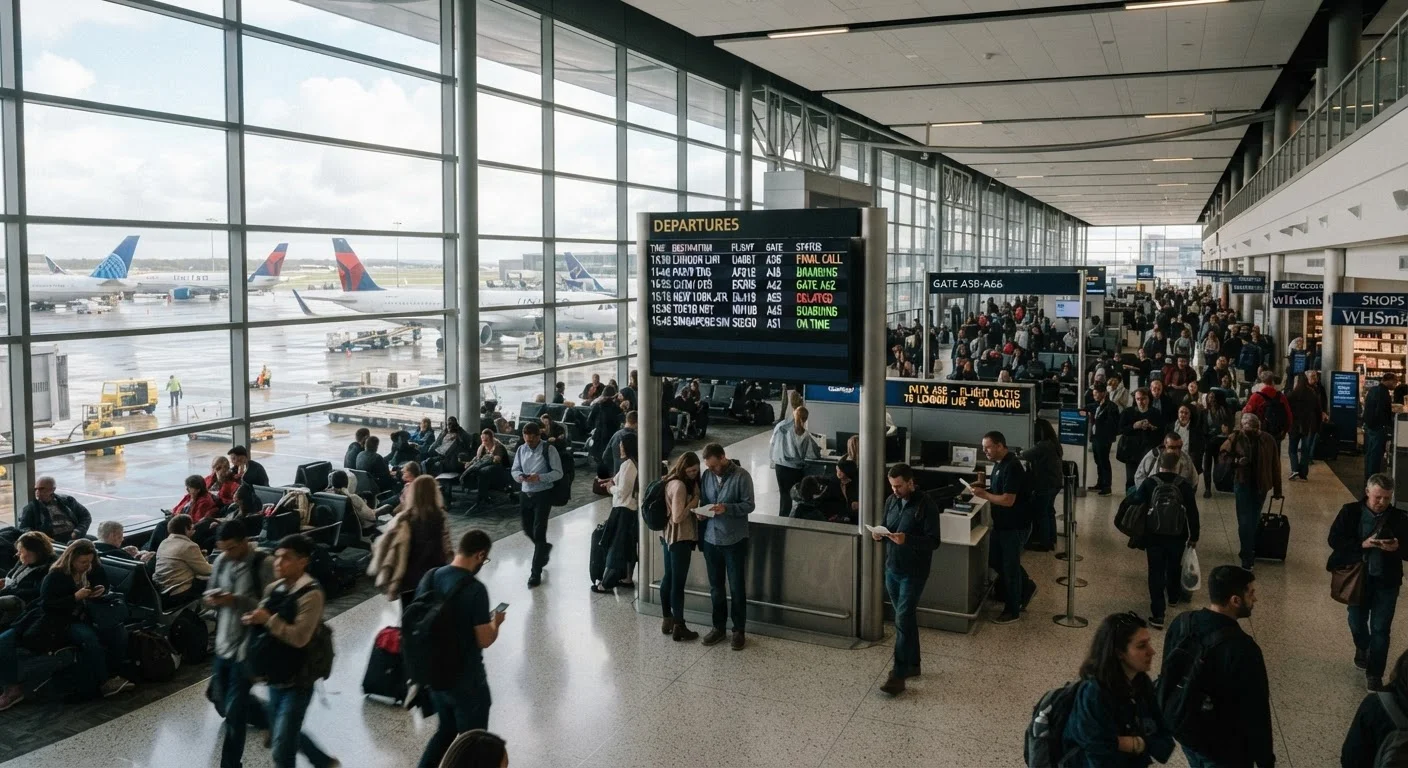
Photo: QuickSearches.net | It Doesn't Get Quicker Than This! editorial
Key Takeaways
- The 'book on Tuesday' rule is largely outdated and not a reliable strategy for saving money.
- Using incognito mode does not hide your searches from airline pricing systems.
- Last-minute airfares are typically more expensive, not cheaper, than advance bookings.
- Booking directly with airlines isn't always cheaper - comparison tools serve a real purpose.
- Fare prices fluctuate based on complex algorithms, not simple rules of thumb.
Why Airfare Myths Are So Sticky
Airfare pricing is genuinely opaque. Airlines don't publish their pricing logic, fares change constantly, and even experienced travelers struggle to predict when they've found a good deal. That uncertainty creates a vacuum - and folklore rushes in to fill it.
Many of these myths contain a kernel of truth from how airline pricing worked a decade or two ago, but the industry has shifted dramatically toward algorithmic, real-time pricing. Strategies that once had some basis in reality have been amplified online long past their expiration date.
The result: travelers follow rules that don't work while ignoring approaches that actually do - like building in travel flexibility, understanding fare classes, or timing trips around lower-demand periods. For a broader look at booking misconceptions, see common booking assumptions worth questioning.
Myth
You should always book flights on Tuesday to get the lowest fares.
Fact
Day-of-week booking patterns have minimal, inconsistent impact on airfares in today's dynamic pricing environment.
This is one of the most persistent pieces of travel advice on the internet, but it traces back to an era when airlines manually uploaded fare sales on Monday nights and competitors matched them by Tuesday morning. Modern airline pricing is driven by algorithms that update fares hundreds of times per day in response to demand, seat inventory, and competition - not a weekly schedule.
Research by fare-tracking services has consistently found that while Tuesday or Wednesday departures can sometimes be cheaper (due to lower demand on those travel days), the day you actually purchase the ticket has little reliable effect. Flexibility on travel dates matters far more than timing your purchase to a specific weekday.
Myth
Browsing in incognito mode prevents airlines from raising prices after you search.
Fact
Airlines set prices based on seat inventory and demand data, not individual browser cookies.
The idea that airlines track your searches and raise prices to create urgency is a compelling story - but it doesn't reflect how airline pricing actually works. Fares change because of fluctuating seat availability, not because a website recognized your browser.
That said, using multiple search tools and comparison engines is still smart practice - not because of cookie tracking, but because different platforms access different fare classes and may surface different results. Incognito mode won't unlock hidden deals, but comparison shopping across two or three reputable flight search tools is a genuinely useful habit.
Myth
Waiting until the last minute gets you a dramatically cheaper fare.
Fact
Last-minute airfares are almost always significantly more expensive than fares booked weeks or months ahead.
The last-minute discount myth likely stems from hotels, where unsold rooms sometimes get discounted close to the date. Airlines operate very differently. As a flight fills up, lower fare classes close out and only the most expensive seats remain. Airlines know that last-minute travelers - often business travelers with less flexibility - will pay a premium.
Data from fare-tracking platforms generally suggests domestic flights are often cheapest when booked one to three months out, while international routes may benefit from even earlier planning. The booking window research varies by route and season, but waiting until the week of departure is rarely the winning move.
Myth
Booking directly with the airline is always cheaper than using a third-party site.
Fact
Booking direct offers some advantages, but third-party platforms can surface lower fares or useful fare combinations.
Airlines do sometimes offer exclusive discounts through their own sites or loyalty programs, and booking direct can simplify rebooking or cancellation if your plans change. However, third-party comparison tools often aggregate fares across multiple carriers and can identify less obvious routing combinations that cost less.
The smarter approach is to use comparison tools for discovery, then verify the price directly with the airline before completing the purchase. Also worth understanding: what's actually included in a fare - fees for bags, seat selection, and changes can quickly close any gap between platforms.
Myth
A one-stop flight is always cheaper than a nonstop on the same route.
Fact
Connecting flights are often cheaper, but not always - and the savings can be offset by added time and risk.
Connecting itineraries frequently cost less because they involve less popular routing or smaller carriers on one leg. But this isn't universal. On some routes, especially where hubs are involved, nonstop fares can be competitive. And the apparent savings on a one-stop itinerary can be undermined by a missed connection, added hotel costs, or simply a very long layover in an airport you didn't plan to spend time in.
When comparing, factor in total travel time, connection buffer, and whether the connecting airport is one where weather or congestion delays are common. Alternate airport savings follow a similar logic - the headline number isn't always the full story.
What Actually Moves the Needle on Airfares
Rather than chasing day-of-week rules or incognito workarounds, focus on factors that research and industry data consistently support:
- Flexibility on travel dates: Even shifting departure by one or two days can yield meaningfully different prices, especially around holidays.
- Advance planning within a reasonable window: Booking too far out (a year ahead) or too late (days before) both tend to cost more than the middle range.
- Traveling in shoulder season: Avoiding peak travel periods - not just adjusting when you book, but when you go - often produces the largest savings. Shoulder season travel can meaningfully reduce both airfare and accommodation costs.
- Setting fare alerts: Rather than checking prices daily manually, automated alerts through flight search tools notify you when a route drops, letting you act when a genuinely lower fare appears.
1-3 months
Typical sweet spot for domestic fare booking
Fare analysis from flight tracking platforms generally finds domestic airfares are most competitive when purchased one to three months before departure, though this varies by route and season.
~$30-$60
Average checked bag fee per direction on major US carriers
According to publicly available airline fee schedules, checked baggage fees on major U.S. carriers typically range from around $30 to $60 per bag each way, significantly affecting total trip cost.
None of these are magic fixes, and fares will always carry some unpredictability. But these approaches are grounded in how pricing actually works - not in rules passed around without evidence.
The content on this site is provided for informational purposes only and should not be considered a substitute for professional advice. While we strive to provide accurate and up-to-date information, we make no guarantees regarding its completeness or accuracy. Always consult a qualified professional for advice specific to your circumstances before making any decisions