
Phone Plans for Light Users: Why You May Be Overpaying Every Month

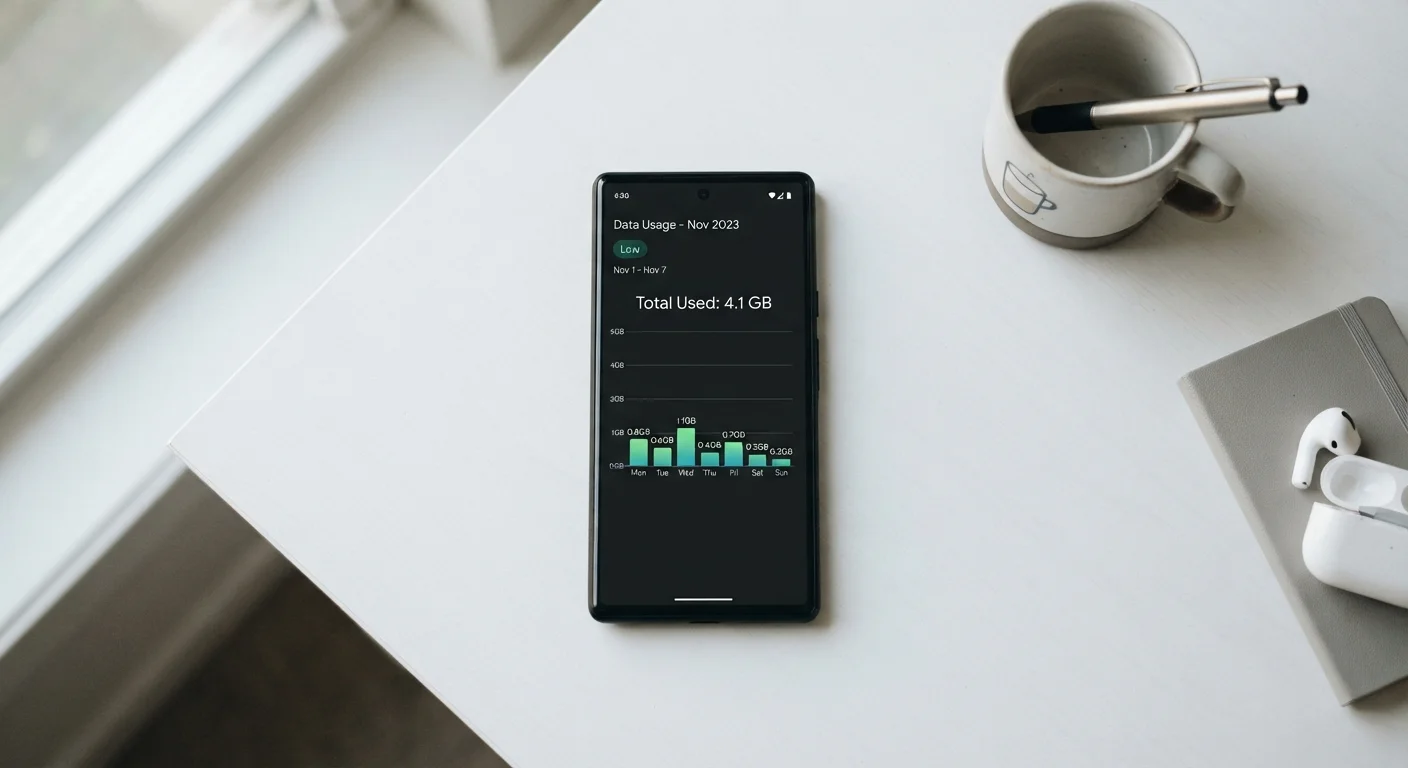
Photo: QuickSearches.net | It Doesn't Get Quicker Than This! editorial
Key Takeaways
- Most light users consume under 5GB per month, making unlimited plans an unnecessary expense.
- Carriers rarely surface their lowest-cost tiers prominently - you usually have to ask.
- Prepaid and MVNOs (smaller carriers using major networks) often deliver equivalent coverage at a lower price.
- Checking your actual data usage before switching is the single most important step.
- Autopay, Wi-Fi habits, and plan structure all affect how much you really need to spend.
The Light-User Problem No Carrier Wants to Solve
If your phone mostly handles calls, texts, maps, and the occasional social media scroll - and you're connected to Wi-Fi at home and work - you're almost certainly a light data user. Industry data consistently shows a large share of individual subscribers use fewer than 5GB of cellular data per month. Yet the plans carriers push hardest typically start at unlimited data and climb from there.
The result: millions of Americans are paying for a highway they're only driving a few blocks on. Understanding why that happens - and recognizing the specific mistakes that keep people overpaying - is the first step to fixing it. If you're also weighing whether a shared plan might help, our guide on when a single line makes more sense than a family plan is worth reading alongside this one.
Signing up for unlimited data without checking actual usage first.
Assuming a lower-data plan means slower speeds or worse coverage.
Overlooking prepaid plans and MVNOs entirely.
Ignoring Wi-Fi offloading when estimating data needs.
Staying on an old plan out of inertia, even after needs change.
Not asking about unadvertised lower tiers or loyalty discounts.
Why These Mistakes Are So Easy to Make
Carrier pricing is deliberately layered. Promotional landing pages emphasize unlimited tiers because the margins are better for the carrier. Lower-data plans are often buried in a secondary tab or presented as "basic" options in a way that implies inferior service - even when the underlying network coverage is identical.
~40%
US subscribers using under 5GB monthly
Industry analysts estimate roughly 40% of individual mobile subscribers in the US consume fewer than 5GB of cellular data per month, based on aggregate network usage patterns.
$20-$30
Potential monthly savings on a right-sized plan
Switching from a mid-tier unlimited plan to a low-data prepaid or MVNO option can represent $20 to $30 in monthly savings for light users, depending on the specific plans compared.
MVNOs - mobile virtual network operators - lease access to the same towers as major carriers but package that access into simpler, often cheaper plans. Many consumers aren't aware these options exist or assume the coverage must be worse. In most everyday situations, it isn't. For a full breakdown of how prepaid and postpaid pricing structures actually differ, see our article on prepaid vs. postpaid phone plans.
Additionally, people who qualify for reduced-rate programs - including government assistance programs and carrier discounts for seniors or students - frequently go unaware. Our guide on phone plans for seniors, students, and low-income households covers eligibility and how to apply.
Watch for Throttling Thresholds on Cheap Plans
Before switching anything, run through a pre-signup checklist to avoid swapping one bad deal for another. Our phone plan shopping guide walks through the key questions to ask before you commit.
The content on this site is provided for informational purposes only and should not be considered a substitute for professional advice. While we strive to provide accurate and up-to-date information, we make no guarantees regarding its completeness or accuracy. Always consult a qualified professional for advice specific to your circumstances before making any decisions