
What 'Normal Wear and Tear' Actually Means-and Why It Matters

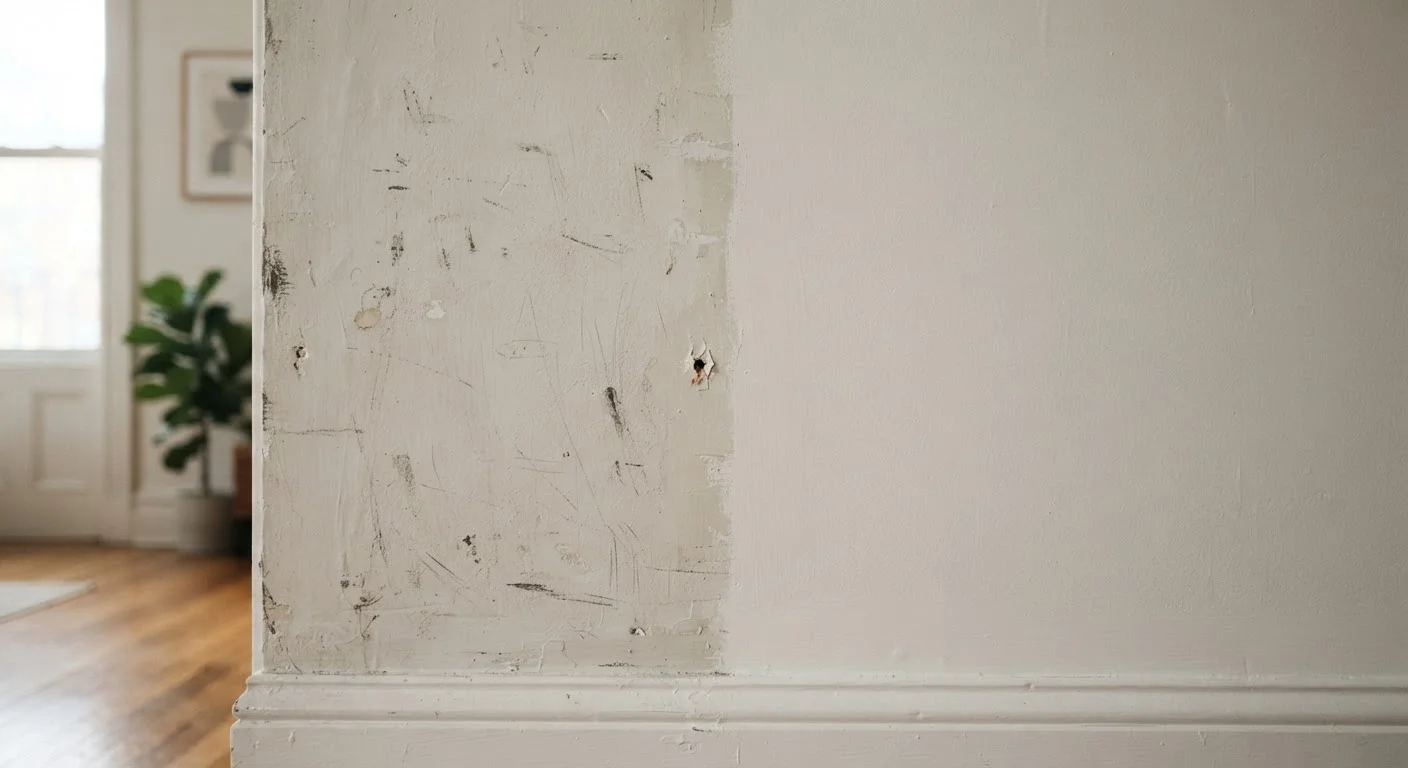
Photo: QuickSearches.net | It Doesn't Get Quicker Than This! editorial
Key Takeaways
- Normal wear and tear refers to gradual property aging from ordinary use - landlords cannot legally deduct for it.
- Tenant-caused damage beyond normal use, such as large holes or stains, is a valid basis for deductions.
- Most states require landlords to return security deposits with an itemized deduction list within a set deadline.
- Move-in and move-out documentation is your strongest protection in any deposit dispute.
- Deduction limits and tenant rights vary by state - knowing your local law matters.
The Legal Definition Landlords Don't Always Follow
The phrase normal wear and tear appears in virtually every residential lease in the United States, yet few renters - or even landlords - can define it precisely. In plain terms, it refers to the gradual, unavoidable deterioration of a property that results from ordinary, everyday use over time. Think of carpet fibers compressing under furniture, paint slowly fading near windows, or small scuffs appearing on door frames after years of opening and closing. These are expected outcomes of living in a space, not tenant negligence.
Under landlord-tenant law in every U.S. state, landlords may not deduct the cost of repairing or replacing items that have simply aged normally. The security deposit exists to cover actual damage - not the passage of time. Despite this, many renters receive itemized deduction lists that include charges for repainting entire rooms after a long tenancy, replacing carpet that was already several years old, or fixing minor nail holes from hanging pictures.
If you want a fuller picture of the financial obligations that come with renting, see what hidden costs renters often overlook before signing your next lease.
Myth
A landlord can charge you for repainting the entire apartment when you move out.
Fact
A landlord can only charge for repainting if you caused damage beyond normal use - not simply because you occupied the space.
Paint fades, scuffs, and dulls with ordinary living. Courts and state guidelines generally treat interior paint as having a 3-5 year useful life. If you lived in a unit for two or more years, a landlord charging full repainting costs is likely charging for normal aging. Charges may only be justified for things like large crayon markings, paint deliberately altered by the tenant, or extensive wall damage - not routine fading or minor smudging.
Myth
Small nail holes from hanging pictures are damage you'll be charged for.
Fact
In most states, small nail holes from standard picture hanging are considered normal wear and tear.
Hanging a few pictures is a normal part of making a rental feel like home. Courts and housing agencies widely classify small nail holes - the kind left by a standard finishing nail - as expected outcomes of ordinary occupancy. What can cross into damage territory: large holes from anchors or improperly installed shelving, holes that damage drywall structurally, or an excessive number of holes that go well beyond typical decorating.
Myth
If the carpet looks worn when you leave, you owe the landlord for a full replacement.
Fact
You're only responsible for damage beyond a carpet's expected useful life, not for ordinary wear.
Carpet has a finite useful life - typically estimated at 5-10 years for residential use, depending on quality. If a carpet was already three years old when you moved in and shows normal traffic wear after your two-year tenancy, you are not liable for a full replacement. At most, a landlord may prorate the remaining useful life. If the carpet was near or past its expected lifespan at move-out, replacement cost is generally the landlord's responsibility as a capital maintenance expense.
Myth
Landlords can withhold your deposit for any reason as long as they give you a list.
Fact
Deductions must be legally valid - an itemized list doesn't make an improper charge enforceable.
Most states require landlords to provide an itemized list of deductions within a specified window (commonly 14-30 days), but that list must cite actual damage or legitimate costs. Providing a list is a procedural requirement, not a blank check. Deductions for wear and tear, pre-existing conditions, or repairs that are the landlord's responsibility remain invalid regardless of paperwork. Tenants can dispute individual line items in small claims court even after receiving a formal statement.
Myth
You automatically lose a deposit dispute if you didn't document the unit at move-in.
Fact
Lack of move-in documentation weakens your case but doesn't automatically mean you'll lose.
While thorough move-in photos are your best defense, their absence doesn't end a dispute. Landlords still bear the burden of proving that damage was caused by the tenant in some states. A landlord who cannot produce evidence that a condition did not pre-exist your tenancy may struggle to justify deductions in court. However, the practical reality is that documentation significantly improves your negotiating position and courtroom credibility - which is why starting the habit at every new rental is strongly advisable.
Damage vs. Wear: Where the Line Gets Drawn
The distinction between wear and tear and actual damage often comes down to degree, cause, and age. A useful mental test: would a reasonable person expect this condition to exist in a unit that has been lived in for the same length of time?
~40%
Renters who experience deposit disputes
Consumer surveys conducted by tenant advocacy organizations consistently find that a significant share of renters report disputes over security deposit deductions at the end of a tenancy.
14-45 days
Typical state deadline to return deposits
State landlord-tenant statutes vary widely, but most set a return deadline in this range; missing it can expose landlords to penalty damages.
5-10 years
Expected useful life of residential carpet
Housing courts and state guidelines commonly reference this range when prorating carpet replacement costs in deposit disputes.
A few common examples illustrate where the line typically falls:
- Normal wear: Light carpet wear along high-traffic paths, small nail holes from standard picture hanging, minor scuffs on painted walls, faded caulking around fixtures.
- Actual damage: Large holes punched in walls, deep carpet stains from pet urine or spilled liquids, broken window glass, missing or damaged fixtures, burns on countertops.
One important nuance: useful life. Most courts and state guidelines acknowledge that materials have a finite lifespan. Carpet in a residential unit typically has an expected useful life of 5-10 years. If a landlord installed carpet the year you moved in and it's showing normal wear after five years, they can't charge you full replacement cost - only a prorated portion based on remaining useful life, and in many cases nothing at all if the carpet was already near its end of life when you arrived.
The same logic applies to paint. Interior paint generally has a useful life of 3-5 years under normal occupancy. A landlord who repaints a unit every two years regardless of tenant may not be entitled to charge the outgoing renter for it.
Don't Skip the Move-Out Walkthrough
If your landlord is also slow to address maintenance during your tenancy, it's worth knowing your options. Our guide on escalating repair disputes walks through the steps renters can take when maintenance requests go unanswered.
Protecting Yourself Before and After a Tenancy
Documentation is the single most effective tool renters have in a deposit dispute. Before moving in, conduct a thorough walkthrough and photograph every pre-existing condition - scratched floors, stained ceilings, dented appliances, broken blinds. Record the date on each photo. If a move-in checklist is provided, complete it in detail and keep a signed copy.
Repeat this process when you move out, photographing the same areas under similar lighting. Send your forwarding address to the landlord in writing immediately after vacating - most states start the deposit return clock from that point or the last day of occupancy, whichever is later. State deadlines for returning deposits typically range from 14 to 45 days, and many states impose penalties - sometimes double or triple the withheld amount - if a landlord misses the deadline or fails to provide an itemized statement without justification.
If deductions seem improper, write a formal dispute letter referencing your state's landlord-tenant statute by name. Small claims court is specifically designed for deposit disputes and does not require an attorney. Judges in these cases are generally familiar with the wear-and-tear standard and tend to scrutinize vague or inflated deduction claims carefully.
Also consider how rent pricing and landlord behavior more broadly affect your financial exposure as a tenant. Understanding what landlords can and cannot do with rent increases puts the full rental relationship in context.
This article is for general informational purposes only and does not constitute legal advice. Landlord-tenant laws vary significantly by state and locality. Consult a licensed attorney or your local tenant rights organization for guidance specific to your situation.
The content on this site is provided for informational purposes only and should not be considered a substitute for professional advice. While we strive to provide accurate and up-to-date information, we make no guarantees regarding its completeness or accuracy. Always consult a qualified professional for advice specific to your circumstances before making any decisions