
Repair Requests That Go Nowhere: What Renters Can Do

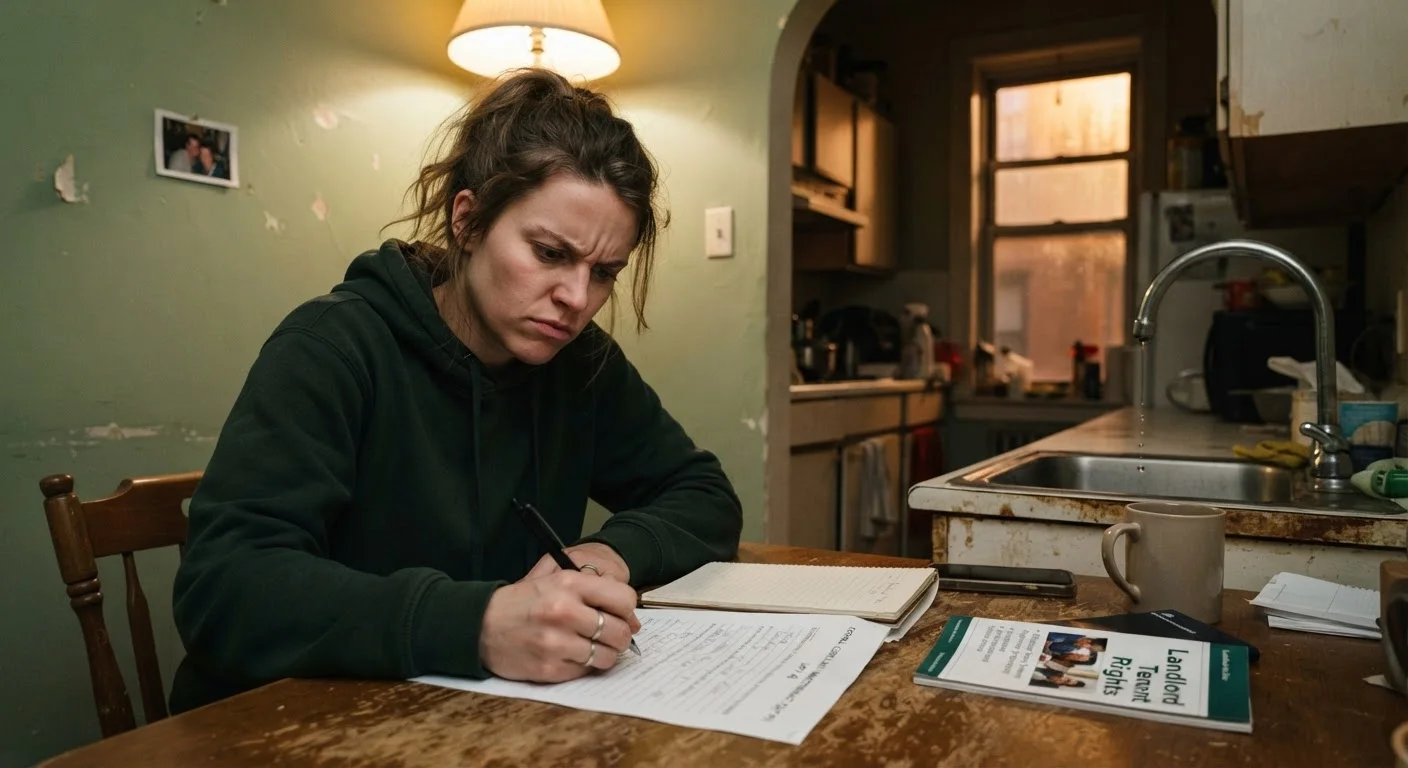
Photo: QuickSearches.net | It Doesn't Get Quicker Than This! editorial
Key Takeaways
- Landlords in every U.S. state must maintain habitable conditions - this is called the implied warranty of habitability.
- Written, dated repair requests carry significantly more legal weight than verbal ones.
- Renters have several escalation tools: housing inspections, rent withholding, repair-and-deduct, and small claims court.
- Retaliation by a landlord after a repair complaint is illegal in most states.
- Local tenant rights organizations can provide free guidance specific to your jurisdiction.
Why Repair Disputes Escalate - and What the Law Says
Most maintenance disputes start small: a maintenance request submitted through an app, a text to the property manager, maybe a follow-up call. But weeks pass, the problem persists, and informal communication stops working. At that point, renters often feel stuck - unsure whether they have real leverage or whether pushing harder will backfire.
The law gives renters more standing than many realize. The implied warranty of habitability is a foundational principle in U.S. landlord-tenant law requiring that rental units remain safe, sanitary, and livable throughout the tenancy. A landlord who ignores legitimate repair requests for heating, plumbing, structural safety, or pest infestation is likely in breach of this duty - regardless of what the lease says. Courts have generally held that lease clauses waiving habitability protections are unenforceable.
State laws vary in their specifics: some set explicit repair timelines (often 14-30 days for non-emergency issues), while others leave the standard as 'reasonable time.' A handful of states also have local rent control or just-cause eviction laws that affect a landlord's ability to retaliate against a complaining tenant. Knowing the rules in your specific state is not optional - it's the foundation of any effective strategy.
What you will need
A Step-by-Step Approach to Getting Repairs Done
Escalating a repair dispute requires both patience and precision. Moving too fast without documentation can undermine your legal position; waiting too long can allow a hazardous condition to worsen. The steps below walk through a practical, legally grounded approach - from putting your request in writing all the way to formal legal action if necessary.
Confirm the repair falls under the landlord's legal duty
Not every repair is a landlord's responsibility. Under the implied warranty of habitability - recognized in all U.S. states - landlords must keep rental units safe, sanitary, and structurally sound. Issues that typically qualify include broken heating or plumbing, pest infestations, roof leaks, mold from building defects, and non-functioning locks or windows. Cosmetic issues or damage you caused generally do not. Review your lease and your state's landlord-tenant statutes to confirm where responsibility lies before escalating.
Send a formal written repair request
If a verbal request has been ignored, submit a written notice via email or certified mail with return receipt. Clearly describe the problem, state when you first reported it, and specify a reasonable deadline for repair - typically 14 to 30 days depending on urgency and your state's law. Keep copies of everything. A well-organized paper trail is your most important asset in any tenant dispute.
File a complaint with your local housing or code enforcement office
If the deadline passes without action, contact your city or county's housing code enforcement department and request a unit inspection. An inspector will assess whether local habitability codes are being violated. If violations are found, the landlord typically receives an official notice with a mandatory correction deadline. This official record strengthens your position considerably if the matter later goes to court or mediation.
Explore legal remedies: rent withholding or repair-and-deduct
Depending on your state, you may have one or more formal legal remedies available:
- Rent withholding: Paying rent into a court-held escrow account until repairs are made. This is permitted in many states, but procedures are strict.
- Repair-and-deduct: Hiring a licensed contractor yourself and deducting the cost from rent, up to a statutory cap (often one month's rent). Available in roughly half of U.S. states.
- Lease termination: In severe cases where a unit is deemed uninhabitable, some states allow renters to break the lease without penalty.
Each remedy has specific procedural requirements - research your state's statutes or consult a local tenant advocate before proceeding.
Contact a tenant rights organization or legal aid
Local tenant advocacy organizations and legal aid societies can provide free or low-cost guidance tailored to your jurisdiction. They can review your documentation, advise on your strongest legal options, and in some cases represent you. Search for 'tenant rights organization' plus your city or county, or visit your state bar association's website for a legal aid referral. Understanding your rights around related landlord behavior - such as unauthorized entry - is also worthwhile at this stage.
Consider small claims court as a last resort
If a repair failure has caused you measurable financial harm - such as temporary relocation costs, damaged belongings, or medical expenses from a health hazard - you may be able to sue in small claims court for damages. Filing fees are typically modest, and most small claims courts are designed for self-represented litigants. Bring all your documentation: photos, written requests, inspection reports, and any receipts. Be aware that eviction proceedings are a separate legal process - filing a repair-related claim does not automatically protect you from an eviction attempt if other lease issues exist.
Your Local Housing Authority Is a Free Resource
Retaliation Is Illegal - But Document Everything
Never Withhold Rent Without Legal Guidance
Protecting Yourself After You've Complained
Once you've formally escalated a repair issue, retaliation risk becomes a real concern. Most states prohibit landlords from raising rent, reducing services, or initiating eviction proceedings in response to a tenant's good-faith repair complaint. However, proving retaliation requires a clear timeline - which is why meticulous record-keeping matters from the very beginning. Our guide on building a renter's paper trail covers exactly how to organize that documentation.
It's also worth understanding the broader picture of your tenancy rights. If repair disputes are part of a larger pattern of landlord behavior - such as pressure around lease renewal - review common lease renewal pitfalls to make sure you're not losing ground elsewhere at the same time.
In the most serious cases, where a unit is genuinely uninhabitable and a landlord remains unresponsive, moving out may be the safest option. But the legal process for doing so without financial penalty is specific and varies by state. Consulting a local tenant rights organization before making any major decision - including leaving - is strongly advisable.
This article is for general informational purposes only and does not constitute legal advice. Landlord-tenant law varies significantly by state and locality. Consult a qualified attorney or tenant rights organization for guidance specific to your situation.
The content on this site is provided for informational purposes only and should not be considered a substitute for professional advice. While we strive to provide accurate and up-to-date information, we make no guarantees regarding its completeness or accuracy. Always consult a qualified professional for advice specific to your circumstances before making any decisions