
What Happens During a Home Inspection - and Why It Matters

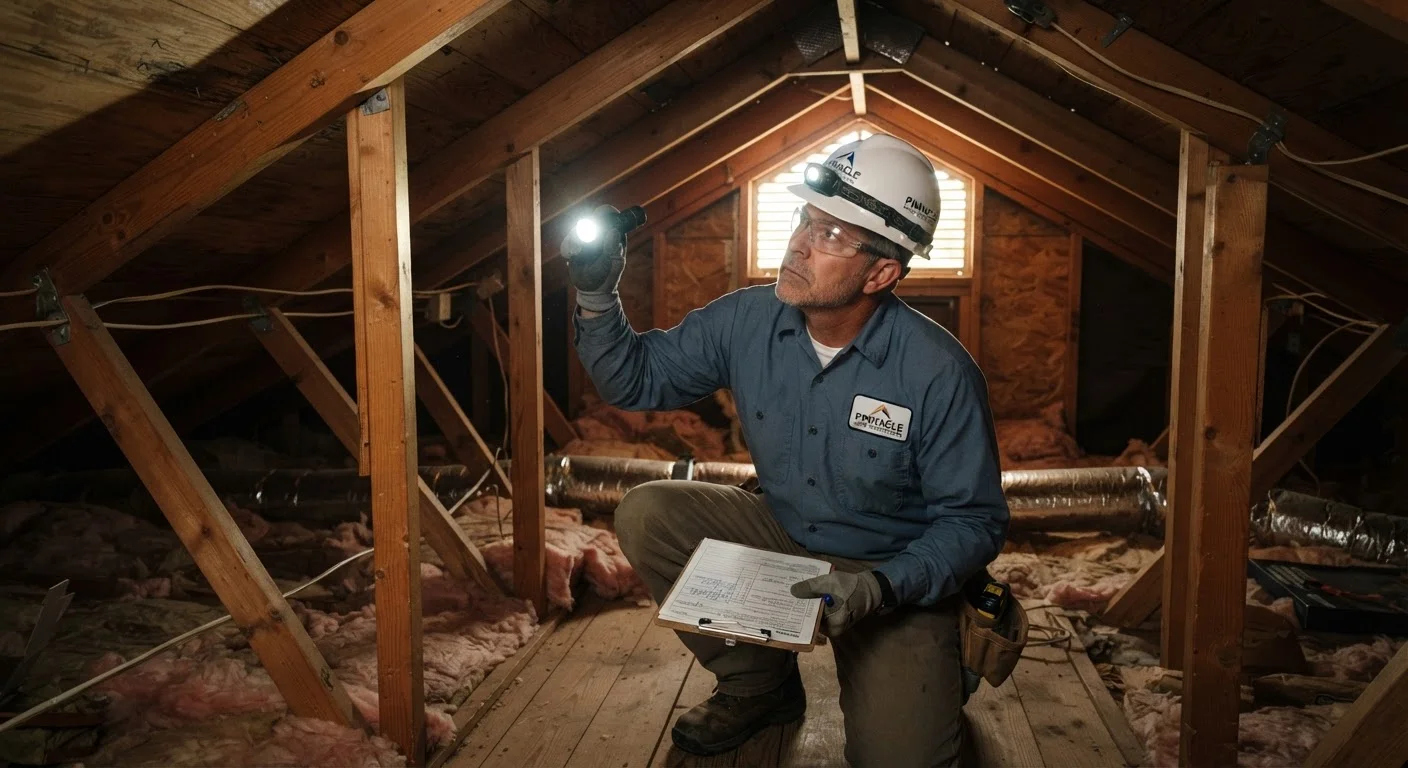
Photo: QuickSearches.net | It Doesn't Get Quicker Than This! editorial
Key Takeaways
- A home inspection is a visual assessment of a property's major systems and structure, not a code compliance review.
- Buyers should always attend the inspection in person to ask questions and understand findings firsthand.
- Inspection reports are negotiating tools - not automatic deal-breakers - and must be read in context.
- Specialized inspections (radon, mold, sewer scope) are separate from a general inspection and often worth the added cost.
- Inspectors identify defects but do not estimate repair costs - you may need contractor quotes for that.
Why the Home Inspection Is One of the Most Important Steps You'll Take
Buying a home is likely the largest financial commitment you'll ever make, and a home inspection is one of the few moments in that process where you get an independent, expert look at what you're actually purchasing. Unlike a showing - where you're evaluating layout, light, and feel - an inspection focuses entirely on condition and function.
This step is part of a broader journey described in our complete walkthrough of the home buying process, and it typically occurs after your offer is accepted but before you're legally obligated to close. Your buyer's agent plays an important role in coordinating this stage - if you're still building that relationship, see our guide on what a buyer's agent actually does.
Skipping or rushing an inspection - much like skipping a pre-purchase inspection on a used car - is one of the most common sources of post-purchase regret. The inspection report also lays the groundwork for everything that comes after: repair negotiations, insurance decisions, and your own maintenance planning.
Don't Waive Your Inspection Contingency Lightly
What the inspector finds on day one can also shape how you approach ongoing ownership. Our annual home checkup checklist builds directly on the same categories your inspector will evaluate - it's worth bookmarking before closing.
What to Expect - and What to Do With the Results
Before the inspection, confirm you have the tools and protections in place to act on what you learn.
What you will need
The steps below walk you through the process from hiring an inspector to using your findings at the negotiating table.
Hire a Licensed Inspector Independently
Choose an inspector who is licensed in your state and not referred by the seller or listing agent. Look for inspectors certified by recognized professional organizations such as the American Society of Home Inspectors (ASHI) or InterNACHI. Ask your buyer's agent for references, but verify credentials yourself. Fees typically range from $300 to $500 for a standard single-family home, though larger or older homes may cost more.
Schedule Within Your Contingency Window
Most purchase contracts give buyers 7-14 days after an accepted offer to complete inspections. Schedule immediately after your offer is accepted - inspectors in active markets book up quickly. Missing the contingency deadline can forfeit your right to negotiate based on findings, so treat this as a firm deadline, not a suggestion.
Attend the Inspection in Person
Plan to be present for the full inspection, which typically runs 2-4 hours. The inspector will examine the roof, foundation, exterior, attic, insulation, electrical panel, plumbing, HVAC systems, windows, doors, and all visible interior spaces. Walking alongside the inspector lets you see issues in context rather than interpreting photos in a written report after the fact.
Understand What the Inspector Is and Is Not Checking
A general home inspection is a visual, non-invasive assessment. Inspectors do not move furniture, open walls, or test systems under simulated conditions. They identify visible defects, deferred maintenance, and potential safety concerns. They do not confirm code compliance, provide repair cost estimates, or guarantee that hidden problems do not exist. If they flag the electrical panel or crawlspace drainage as areas of concern, budget for a specialist follow-up.
Consider Add-On Specialized Inspections
Depending on the home's age, location, and condition, several specialized tests may be worth the additional investment:
- Radon testing - recommended in many U.S. regions; the EPA advises action at or above 4 pCi/L
- Sewer scope - critical for homes over 30 years old with older cast-iron or clay drain lines
- Mold or air quality testing - warranted if the inspector notes moisture intrusion or musty odors
- Chimney inspection - required if the home has a wood-burning fireplace or older flue
These are typically scheduled and paid for separately, and results may or may not arrive before your contingency deadline - confirm turnaround times upfront.
Read the Report Strategically
Inspection reports can run 40-80 pages and flag dozens of items - don't panic. Triage findings into three categories: safety hazards (require immediate correction), major defects (structural, mechanical, or costly to repair), and maintenance items (normal wear that any homeowner should address over time). Focus negotiation efforts on the first two categories. Cosmetic issues and minor maintenance items are generally not worth re-opening price discussions.
Use Findings to Negotiate or Make Your Decision
Once you've identified significant defects, you have several options: request that the seller make repairs before closing, ask for a price reduction or credit at closing, or in serious cases, exercise your contingency to exit the contract. Work closely with your buyer's agent to determine which approach fits the situation. Minor issues rarely justify walking away from an otherwise sound property; major structural or safety problems may.
Bring a Notepad and Your Questions
After the inspection, your attention will shift toward protecting your investment long-term. Understanding the difference between homeowners insurance and a home warranty - two products that cover very different risks - is a natural next step. See our breakdown of what each actually covers before you reach closing day.
This article is for general informational and educational purposes only. It does not constitute legal, financial, or professional real estate advice. Consult a licensed professional for guidance specific to your transaction and jurisdiction.
The content on this site is provided for informational purposes only and should not be considered a substitute for professional advice. While we strive to provide accurate and up-to-date information, we make no guarantees regarding its completeness or accuracy. Always consult a qualified professional for advice specific to your circumstances before making any decisions