
Micronutrients: The Vitamins and Minerals Your Body Quietly Depends On

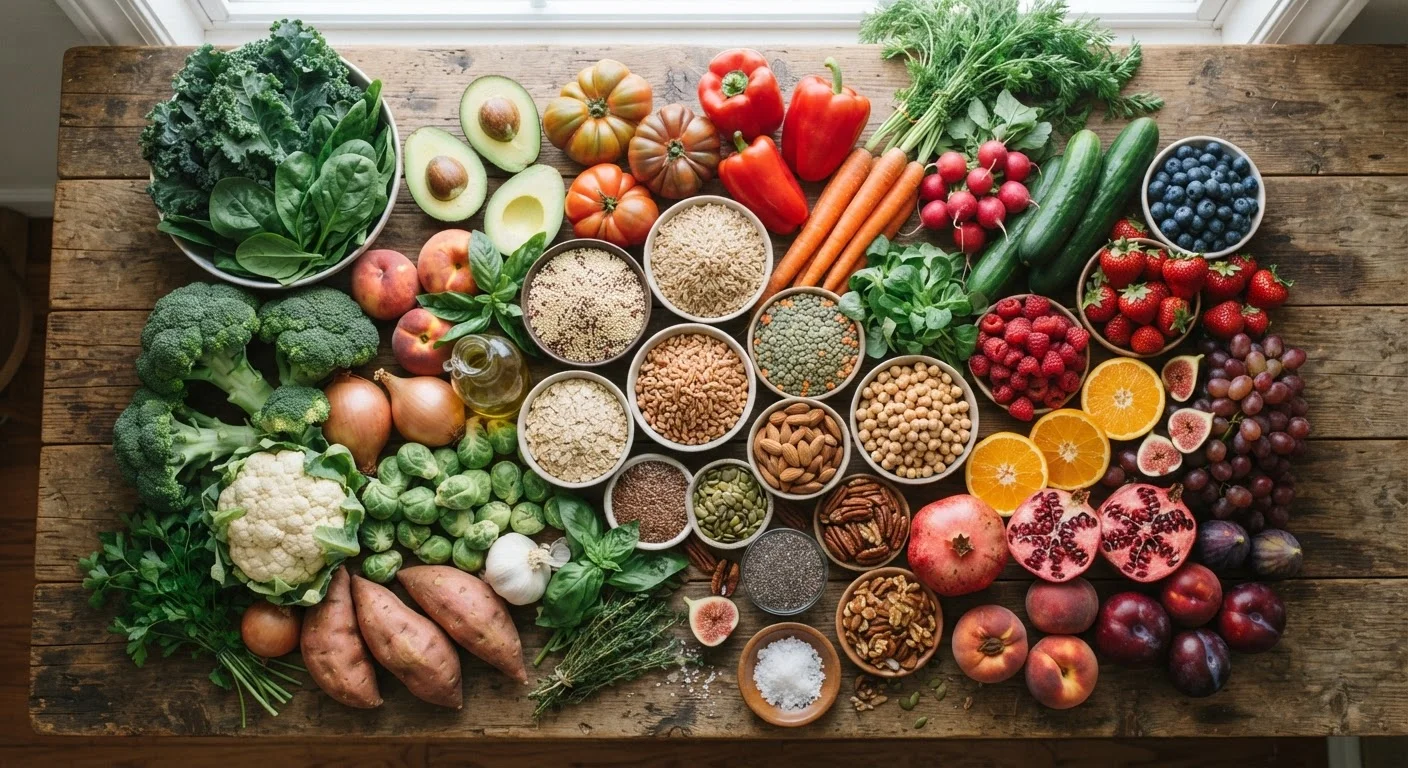
Photo: QuickSearches.net | It Doesn't Get Quicker Than This! editorial
What Are Micronutrients?
Micronutrients are the vitamins and minerals your body needs to function - not for energy directly, but for virtually everything else: building bones, making hormones, turning food into fuel, and keeping your immune system running. Unlike carbs, protein, and fat which your body needs in large amounts, micronutrients are required in small quantities. But small doesn't mean unimportant.
There are two main categories:
- Vitamins - organic compounds your body either cannot make at all or cannot make in sufficient quantities. They include fat-soluble vitamins (A, D, E, and K) stored in body fat, and water-soluble vitamins (B-complex group and C) that must be replenished regularly because they aren't stored long-term.
- Minerals - inorganic elements found in soil and water that enter the food supply through plants and animals. Major minerals (like calcium and magnesium) are needed in larger amounts; trace minerals (like iron and zinc) are needed in smaller doses but are no less essential.
If you're new to thinking about nutrition as a whole, the foundational concepts guide is a useful starting point before going deeper here.
Micronutrients
Vitamins and minerals required by the body in small quantities to support essential biological processes. Unlike macronutrients, they do not provide energy directly but are critical for nearly every body system.
Fat-soluble vitamins
Vitamins A, D, E, and K, which dissolve in fat and can be stored in the body's fatty tissues and liver. Because they accumulate, excessive intake from supplements can reach harmful levels.
Water-soluble vitamins
Vitamins C and the B-complex group, which dissolve in water and are not stored in significant amounts. They must be replenished regularly through diet, and excess is typically excreted in urine.
Trace minerals
Minerals such as iron, zinc, iodine, and selenium that the body needs in very small amounts. Despite the low quantity needed, deficiencies can have significant health consequences.
Heme iron
A form of iron found in animal-based foods that is absorbed more efficiently by the body compared to non-heme iron, which comes from plant sources.
Antioxidant
A compound that helps protect cells from oxidative stress caused by free radicals. Several vitamins, including C and E, function as antioxidants in the body.
Key Vitamins and What They Do
Rather than memorizing a list, it helps to know the roles these vitamins actually play in daily health:
- Vitamin A - supports vision (especially in low light), immune defense, and skin cell renewal. Found in liver, dairy, eggs, and orange-yellow produce like carrots and sweet potatoes.
- B vitamins (B1, B2, B3, B5, B6, B7, B9, B12) - a family of vitamins that help your body convert food into usable energy, support nervous system function, and are essential for red blood cell production. B12 is found almost exclusively in animal products; people following plant-based diets are typically advised to consider supplementation after speaking with a healthcare provider.
- Vitamin C - involved in collagen production, wound healing, and immune function. Your body cannot store it, so daily intake from fruits and vegetables matters. Citrus, bell peppers, and broccoli are reliable sources.
- Vitamin D - supports calcium absorption, bone health, and immune regulation. Synthesized in skin exposed to sunlight, but many Americans have low levels - especially in northern climates or those who spend limited time outdoors.
- Vitamin E - acts as an antioxidant, protecting cells from oxidative damage. Found in nuts, seeds, and vegetable oils.
- Vitamin K - critical for blood clotting and bone metabolism. Leafy greens are the primary source.
| Total essential vitamins | 13 (National Institutes of Health, Office of Dietary Supplements) |
| Essential major minerals | 7 (calcium, phosphorus, magnesium, sodium, potassium, chloride, sulfur) (Dietary Reference Intakes, National Academies) |
| Vitamin D status in U.S. adults | About 35% have insufficient levels (National Health and Nutrition Examination Survey (NHANES)) |
| Most common mineral deficiency globally | Iron deficiency (World Health Organization) |
| Vitamin B12 absorption concern | Plant-based diets provide little to none (Academy of Nutrition and Dietetics) |
| Folate importance | Critical for fetal neural tube development in early pregnancy (CDC, Folic Acid Recommendations) |
Essential Minerals at a Glance
Minerals serve structural and regulatory roles throughout the body. These are among the most important:
- Calcium - the most abundant mineral in the body; essential for bone density, muscle contraction, and nerve signaling. Dairy, fortified plant milks, leafy greens, and canned fish with soft bones are common sources.
- Iron - needed to make hemoglobin, the protein in red blood cells that carries oxygen. Iron from animal sources (heme iron) is absorbed more efficiently than iron from plant sources (non-heme iron). Women of reproductive age and those who don't eat meat have higher risk of low iron status.
- Magnesium - involved in over 300 enzymatic reactions, including muscle and nerve function, blood sugar regulation, and blood pressure. Found in legumes, nuts, seeds, and whole grains.
- Zinc - supports immune function, wound healing, and DNA synthesis. Red meat, shellfish, legumes, and seeds are good sources.
- Potassium - helps regulate fluid balance, muscle contractions, and nerve signals. Bananas, potatoes, beans, and leafy greens are potassium-rich foods.
- Iodine - required for thyroid hormone production. Iodized salt and seafood are primary sources in the American diet.
Getting a wide range of minerals is one reason dietary variety matters. Building a more balanced plate doesn't require a dramatic overhaul - small, consistent shifts toward whole foods make a meaningful difference over time.
How to Support Adequate Micronutrient Intake
For most healthy adults, a varied diet built around whole foods - vegetables, fruits, whole grains, legumes, and lean proteins - provides a solid micronutrient foundation without the need for supplements. Heavily processed foods tend to be low in micronutrients even when they're high in calories, which is why dietary quality matters beyond just meeting calorie targets.
A few practical considerations:
- Eat by color. Different pigments in produce reflect different phytonutrients and vitamins. Variety across color groups improves overall nutritional coverage.
- Don't overlook affordability. Frozen and canned vegetables and fruits retain most of their nutrient content and are often more budget-friendly than fresh options.
- Fat-soluble vitamins need fat. Vitamins A, D, E, and K are better absorbed when consumed alongside dietary fat - a reason why eating salads with a small amount of olive oil or avocado is nutritionally sensible.
- Supplements are not a substitute for food. They may be appropriate in specific circumstances - for example, folic acid in pregnancy, or vitamin D when sun exposure is limited - but this should be discussed with a qualified healthcare provider, not decided independently.
It's also worth being aware that some popular beliefs about nutrition don't hold up under scrutiny. The nutrition myths that science has corrected article addresses several of these directly.
This article is for general informational and educational purposes only and is not a substitute for professional medical or dietary advice. Consult a qualified healthcare provider before making changes to your diet or beginning supplementation.
The content on this site is provided for informational purposes only and should not be considered a substitute for professional advice. While we strive to provide accurate and up-to-date information, we make no guarantees regarding its completeness or accuracy. Always consult a qualified professional for advice specific to your circumstances before making any decisions