
The Spending Categories That Derail Most American Household Budgets

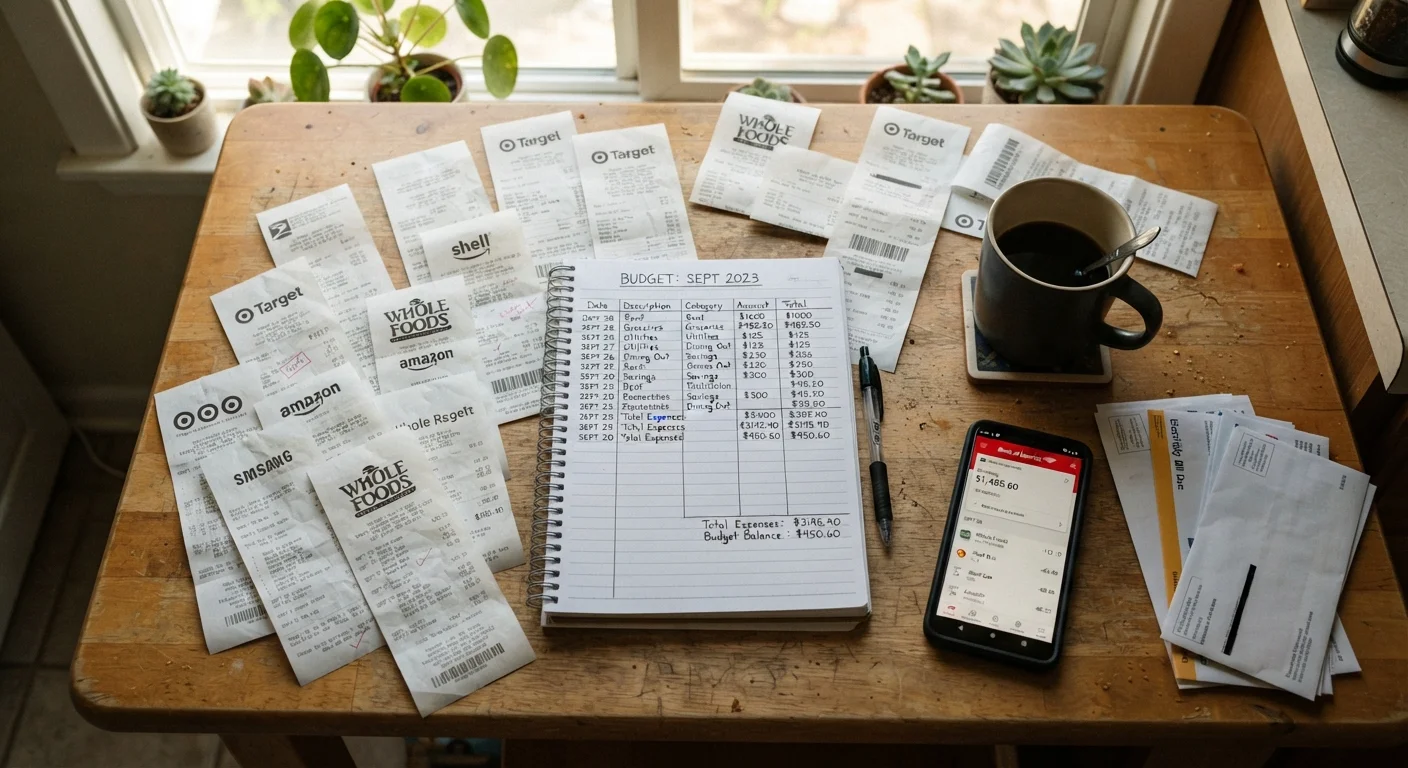
Photo: QuickSearches.net | It Doesn't Get Quicker Than This! editorial
Key Takeaways
- Dining out and food delivery are among the most common sources of chronic overspending for American households.
- Subscription creep - paying for forgotten or redundant services - silently drains budgets month after month.
- Impulse purchases, convenience spending, and lifestyle inflation often outpace income growth over time.
- Awareness and a simple tracking system are more effective than strict deprivation for fixing budget leaks.
- Small, consistent adjustments to a few key categories can free up hundreds of dollars annually.
Where the Money Actually Goes
Most budget problems don't start with a single bad decision. They build quietly - a restaurant meal here, a streaming upgrade there - until one month the numbers simply don't add up. According to Bureau of Labor Statistics Consumer Expenditure data, American households regularly underestimate how much they spend on food away from home, personal services, and entertainment relative to what they think they're spending.
The good news: the categories that do the most damage are well-documented, which means they're also fixable. If you've ever wondered why your budget looks reasonable on paper but unravels in practice, this list is a starting point. For broader context on how budgeting actually works, see our complete personal budgeting guide.
Dining Out and Food Delivery
This is the single most common budget category where households lose track of spending. A few lunches out, a couple of delivery orders, and a weekend dinner can easily add up to $400-$600 per month for a household that thinks it's spending half that. Delivery apps compound the problem - fees, tips, and service charges can add 30-40% to the cost of the meal itself.
The fix doesn't require giving up restaurants entirely. Try setting a specific weekly dollar limit for food outside the home and treating it like a fixed expense. Reviewing your last 30 days of bank transactions and tallying this category alone is usually eye-opening enough to change behavior on its own.
Delivery fees and tips can add 30-40% on top of the actual meal cost.
Subscription Accumulation
Streaming services, fitness apps, software tools, meal kit deliveries, news paywalls - individually, each seems affordable. Collectively, American households average over a dozen recurring subscriptions, and research suggests most people significantly underestimate their total monthly subscription spend.
"Subscription creep" happens because sign-ups are easy, cancellations require action, and billing is automatic. A practical audit: pull your last two months of bank and credit card statements and highlight every recurring charge. Cancel anything you haven't used in 30 days. For services you want to keep, consider whether an annual plan or a lower tier actually covers your needs.
Most households underestimate their total monthly subscription spend by a significant margin.
Impulse and Convenience Purchases
Impulse buying isn't just about grabbing something at checkout. It also includes convenience spending - paying more for proximity, speed, or ease. Grabbing an overpriced coffee at the airport, buying a household item at a gas station because it's faster than waiting, or adding items to an online cart during a slow afternoon all fall into this category.
A 24-hour rule - waiting one day before completing any unplanned purchase above a set threshold - consistently reduces impulse spending without requiring willpower. Setting a small, guilt-free "fun money" allocation within the budget also helps, because it creates a container for these purchases rather than pretending they won't happen. See how the envelope method approaches this problem physically.
A 24-hour waiting rule on unplanned purchases consistently reduces impulse spending.
Lifestyle Inflation After Income Increases
When income goes up - a raise, a tax refund, a bonus - spending often rises to match it within a few months. This pattern, sometimes called "lifestyle creep," means the raise never actually improves the household's financial position. Upgrades to housing, vehicles, or daily habits quietly absorb the extra income before it can build any cushion.
The most effective counter-strategy is to automate savings increases at the same time income rises. Directing even half of any income increase toward savings or debt payoff before it hits your checking account keeps the lifestyle creep cycle from forming. For strategies on managing and reducing debt as part of your broader plan, our Saving & Debt hub is a practical resource.
Automating savings increases when income rises prevents lifestyle creep from erasing your gains.
Irregular and Forgotten Expenses
Annual insurance premiums, car registration fees, holiday gifts, back-to-school costs, and medical co-pays don't show up every month - which is exactly why they derail budgets when they do. Most people budget for monthly recurring bills but don't account for the irregular predictable expenses that come several times a year.
The solution is a "sinking fund" approach: divide the annual total of these known irregular expenses by 12 and set that amount aside each month into a separate account. When the bill arrives, the money is already there. This single habit eliminates a significant source of financial stress for households that implement it consistently.
Irregular but predictable expenses derail budgets precisely because they're easy to forget until they arrive.
Transportation Beyond the Car Payment
Households tend to budget for the car payment and insurance but underestimate total transportation costs. Gas, parking, tolls, ride-shares, maintenance, and unexpected repairs regularly push actual transportation spending well above the mental estimate. AAA's annual vehicle cost studies consistently show that the full cost of vehicle ownership - including depreciation and maintenance - is substantially higher than most drivers account for.
Tracking total transportation spending for one month - every gas fill-up, parking meter, and Uber ride - gives a realistic picture. From there, consolidating trips, carpooling, or reconsidering a second vehicle are decisions that can be made from real numbers rather than rough estimates.
Full vehicle ownership costs - including maintenance and depreciation - routinely exceed most drivers' mental estimates.
Turning Awareness Into Action
Spotting these categories in your own spending isn't about guilt - it's about information. A single month of tracking actual purchases against what you expected to spend is often enough to reveal where the gaps are. Once you see them clearly, small changes compound quickly.
Start With One Category, Not All Six
If you're skeptical that a budget can work for your lifestyle, you're not alone - check out our look at common budgeting myths that stop people before they start. For those trying to rein in impulse buying specifically, the cash stuffing method offers a tactile, practical approach worth understanding. And if travel spending is part of your budget equation, our guide to building a travel budget that holds up covers the hidden costs most people miss.
This article is for general informational purposes only and does not constitute personalized financial advice. Consider consulting a qualified financial professional for guidance specific to your situation.
The content on this site is provided for informational purposes only and should not be considered a substitute for professional advice. While we strive to provide accurate and up-to-date information, we make no guarantees regarding its completeness or accuracy. Always consult a qualified professional for advice specific to your circumstances before making any decisions