
Jet Lag Is Not Just Tiredness: What's Actually Happening to Your Body

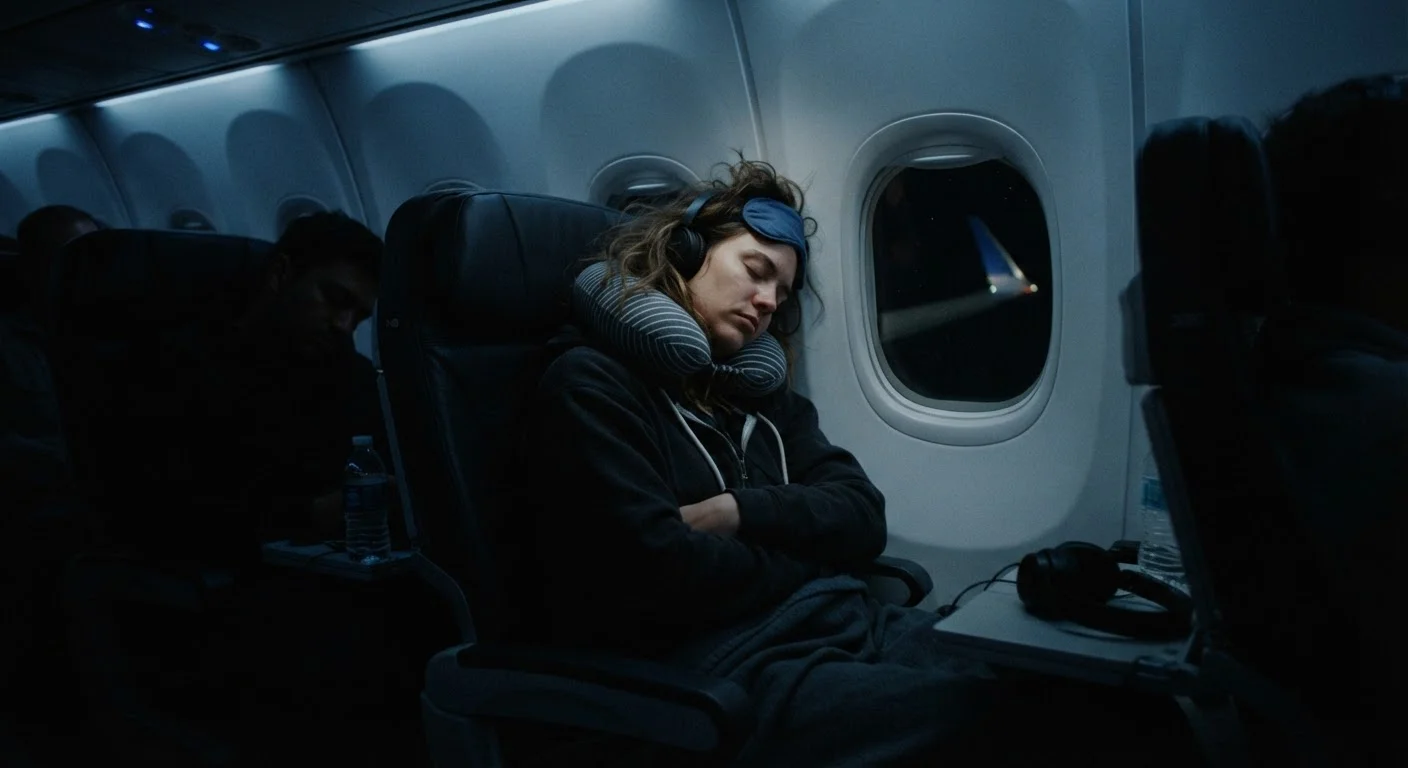
Photo: QuickSearches.net | It Doesn't Get Quicker Than This! editorial
Key Takeaways
- Jet lag is a biological disruption to your circadian rhythm, not just travel fatigue.
- Crossing three or more time zones significantly increases symptom severity.
- Eastward travel is generally harder on the body than westward travel.
- Symptoms extend beyond sleep - digestion, mood, and cognitive function are all affected.
- Light exposure and sleep timing are the most evidence-supported tools for recovery.
- Most healthy adults recover from jet lag in roughly one day per time zone crossed.
Your Body Clock Isn't Just a Metaphor
Inside virtually every cell in your body is a set of proteins that cycle through a roughly 24-hour rhythm - responding to light, temperature, and social cues to coordinate when you sleep, when you're alert, when you digest food, and when hormones like cortisol and melatonin are released. This system is called the circadian rhythm (from the Latin circa dies, meaning "about a day"), and it's governed by a small cluster of neurons in the brain called the suprachiasmatic nucleus (SCN).
When you fly across time zones quickly, your SCN doesn't magically reset. It continues operating on your home schedule - so if it's 3 a.m. back home, your body thinks it's 3 a.m. even if the destination clock says noon. That gap between your internal clock and the external world is the actual cause of jet lag.
Jet Lag vs. General Travel Fatigue
What Jet Lag Actually Does to Your Body
Jet lag affects multiple systems simultaneously, which is why it feels so all-encompassing:
- Sleep disruption: You may struggle to fall asleep at night and feel overwhelmingly drowsy during the day. Sleep quality is often poor even when you do sleep, because sleep architecture (the progression through sleep stages) follows circadian timing.
- Digestive problems: Your gut has its own circadian system. When your internal clock says it's the middle of the night, your digestive system slows down - so eating a full meal at what the local clock calls lunchtime can cause bloating, constipation, nausea, or loss of appetite.
- Cognitive impairment: Alertness, reaction time, decision-making, and memory consolidation are all tied to circadian timing. Travelers crossing many time zones can experience measurable short-term cognitive slowdown - relevant for anyone who needs to hit the ground running at a work conference or navigate an unfamiliar city.
- Mood changes: Disrupted sleep and hormonal desynchronization contribute to irritability and low mood. This isn't just being grumpy from tiredness - it reflects real hormonal imbalance that resolves as your rhythm realigns.
~1 day
Recovery time per time zone crossed
Sleep medicine researchers commonly cite a recovery rate of approximately one day per time zone as a rough general guideline for healthy adults.
3+
Time zones needed to trigger noticeable symptoms
Most travel medicine literature identifies crossing three or more time zones as the threshold where clinically recognizable jet lag symptoms typically appear.
60%
Travelers reporting digestive symptoms with jet lag
Research on circadian disruption suggests a majority of long-haul travelers experience some form of gastrointestinal disruption in addition to sleep problems.
Eastward vs. Westward: Why Direction Matters
The direction you fly has a meaningful impact on how hard recovery hits. Traveling eastward - say, from Los Angeles to London - requires your body clock to advance, or move earlier. Most people find this harder because the natural human circadian rhythm tends to run slightly longer than 24 hours, making it easier to stay up late than to force an early bedtime.
Traveling westward - London to Los Angeles - asks your body to delay its clock, which aligns more naturally with that slight drift toward a longer day. Recovery from westward travel is generally faster and less intense.
This isn't a universal rule - individual variation is real - but it's a consistent enough pattern that it's worth accounting for when planning recovery time after a long trip. Just as ongoing psychological strain creates physiological effects (a concept explored in our article on what chronic stress does to your body), jet lag demonstrates how mental and physical performance are both anchored to biological rhythms you can't simply override with willpower.
Evidence-Backed Strategies Travelers Use
No single remedy eliminates jet lag, but several strategies have reasonable research support for easing the transition:
Adjust Your Watch on Boarding
- Light exposure timing: Morning bright light at your destination helps advance your clock (useful after eastward travel). Avoiding bright light in the evening at your destination helps delay it (useful after westward travel). Light is the primary signal that resets the SCN.
- Adjusting sleep timing before departure: Gradually shifting your sleep schedule by 30-60 minutes per day in the days before departure, in the direction of your destination's time zone, can reduce the initial shock.
- Staying on destination time immediately: Resist the urge to nap at the wrong local time and try to eat and sleep according to your destination's schedule from day one.
- Short strategic naps: If you're dangerously sleepy, a short nap (under 30 minutes) before 3 p.m. local destination time is less likely to disrupt nighttime sleep than a longer one.
It's also worth separating jet lag from other travel-related health concerns. Our piece on common travel health myths covers other misunderstood risks that budget travelers frequently overlook.
This article is for general informational purposes only and does not constitute medical advice. If you have health conditions that may be affected by travel or sleep disruption, consult a qualified healthcare provider before your trip.
Frequently Asked Questions
The content on this site is provided for informational purposes only and should not be considered a substitute for professional advice. While we strive to provide accurate and up-to-date information, we make no guarantees regarding its completeness or accuracy. Always consult a qualified professional for advice specific to your circumstances before making any decisions