
Why Your Currency Exchange Habits Are Costing You More Than You Think

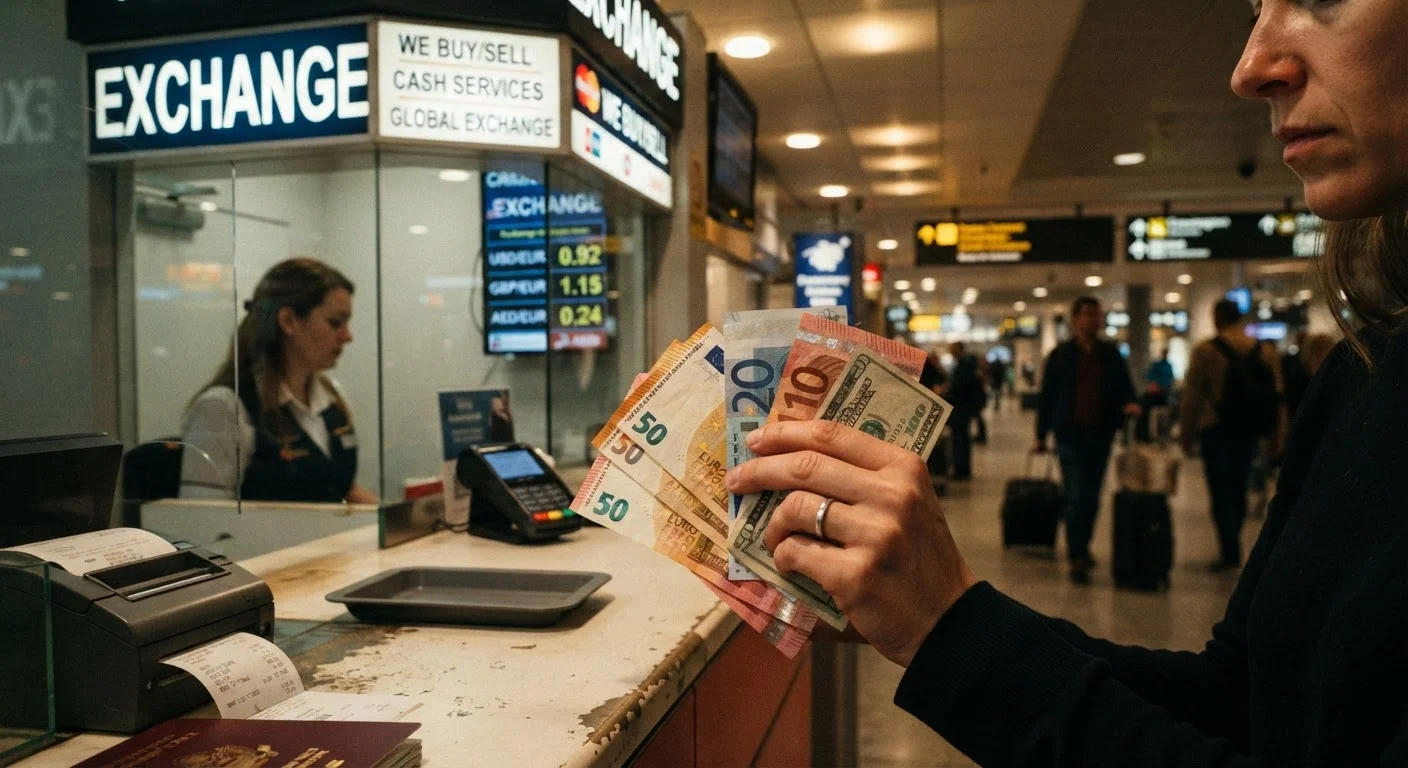
Photo: QuickSearches.net | It Doesn't Get Quicker Than This! editorial
Key Takeaways
- Airport and hotel currency kiosks typically charge the highest fees and worst exchange rates.
- Using a debit card at a local ATM abroad often yields a more favorable rate than kiosks.
- Dynamic currency conversion is an optional fee trap - always pay in the local currency.
- Prepaid travel cards vary widely in fees; read the fine print before loading money.
- A small amount of local cash exchanged before departure can reduce airport dependency.
The Real Cost of Convenience-First Currency Exchange
Most travelers don't lose money on currency exchange in one dramatic moment - they lose it in a dozen small, forgettable transactions at kiosks, hotel desks, and ATM prompts. The cumulative effect on a two-week trip can easily amount to the cost of a nice dinner or a day's accommodation.
Understanding where the losses happen is the first step. Exchange rate markups and flat fees are separate charges that often stack on top of each other. A kiosk might advertise "no commission" while quietly offering an exchange rate 8-12% worse than the interbank rate - the baseline rate banks use when trading with each other. That spread is their profit, invisible unless you're comparison-shopping.
If you're thinking about the full picture of international travel costs, the hidden costs that catch travelers off guard - including conversion charges - are worth factoring in before you finalize any budget.
Exchanging all your cash at the airport kiosk upon arrival.
Accepting dynamic currency conversion (DCC) at foreign ATMs or point-of-sale terminals.
Using a credit or debit card abroad without checking its foreign transaction fees first.
Loading a prepaid travel card without reading the full fee schedule.
Exchanging currency at your hotel front desk.
Smarter Habits That Reduce What You Lose
The good news is that most currency exchange losses are avoidable with a little planning before departure. A few straightforward habit changes can meaningfully reduce what you give up in fees and poor rates.
Dynamic Currency Conversion Is Always Optional
Use local ATMs strategically. Withdrawing a larger sum less frequently minimizes per-transaction ATM fees. Aim for bank-affiliated machines inside or directly outside bank branches, which tend to be more reliable and transparent about fees than freestanding kiosks.
Notify your bank before you go. Beyond fraud protection, this conversation is a good opportunity to confirm your card's exact international fee structure and ask whether any partner banks abroad offer fee-free withdrawals.
Carry some cash as backup. In many destinations, certain vendors, transit systems, and markets operate cash-only. Arriving with a modest amount of local currency - obtained through your bank or a reputable exchange service before departure - reduces the pressure to accept whatever rate the airport offers.
Always Verify With Official Sources Before Traveling
For a broader look at how to build international travel expenses into a realistic plan, see building a travel budget that holds up. Currency handling is just one line item, but it's one of the more controllable ones once you know what to watch for.
1-3%
Typical foreign transaction fee per card purchase
Many standard U.S. credit and debit cards add a percentage-based fee on every international transaction, according to general disclosures from major U.S. card issuers.
Up to 15%
Potential markup at airport currency kiosks
Consumer finance researchers and travel organizations have documented that airport exchange kiosks can charge margins well above interbank rates when fees and poor exchange rates are combined.
The content on this site is provided for informational purposes only and should not be considered a substitute for professional advice. While we strive to provide accurate and up-to-date information, we make no guarantees regarding its completeness or accuracy. Always consult a qualified professional for advice specific to your circumstances before making any decisions