
Why Dietary Fiber Deserves More Attention Than It Gets

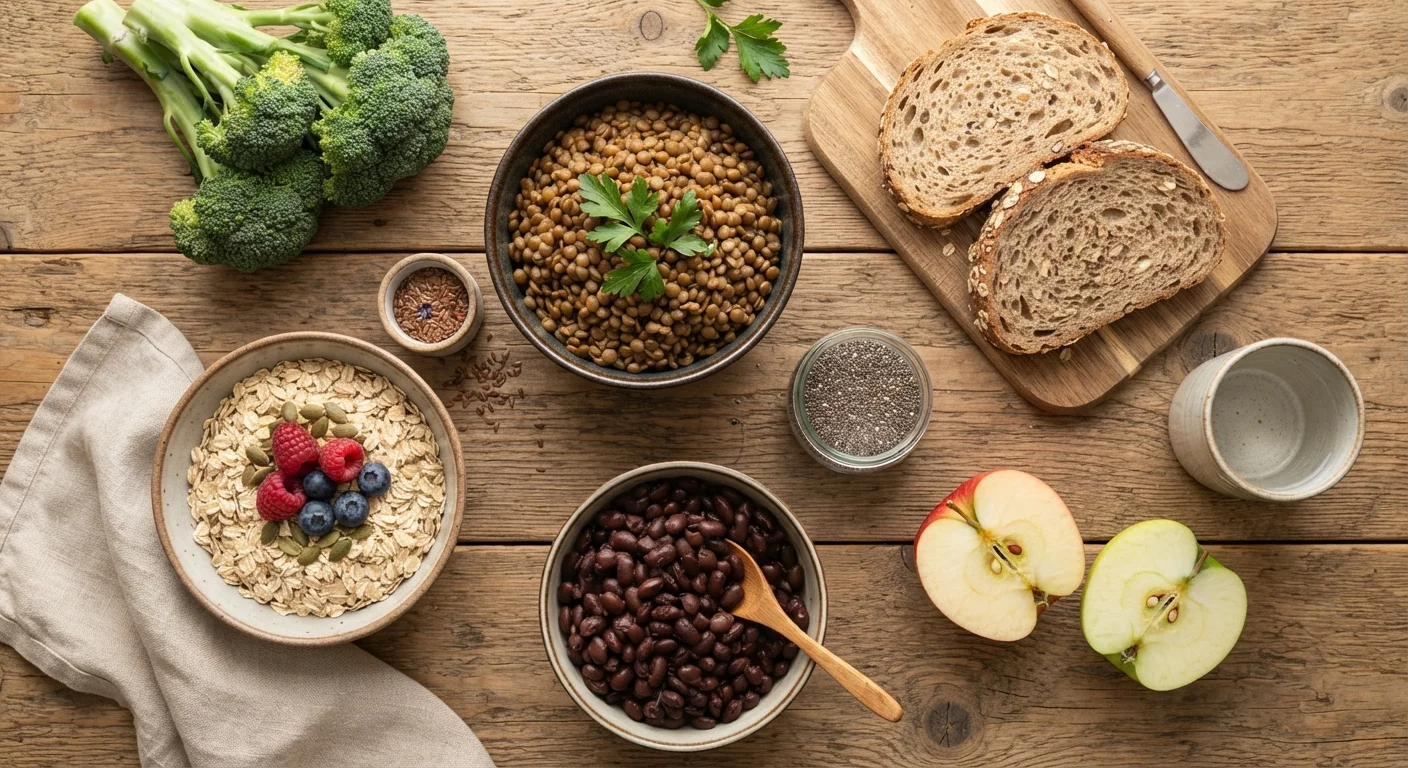
Photo: QuickSearches.net | It Doesn't Get Quicker Than This! editorial
Key Takeaways
- Most Americans consume roughly half the daily fiber recommended by health authorities.
- Fiber supports digestive health, blood sugar regulation, cholesterol levels, and gut bacteria balance.
- Both soluble and insoluble fiber are important - they serve different but complementary roles.
- Whole plant foods like beans, oats, vegetables, and fruits are the most reliable fiber sources.
- Increasing fiber intake gradually and pairing it with adequate water reduces digestive discomfort.
The Gap Between What We Need and What We Eat
Fiber is one of the most consistently under-consumed nutrients in the American diet. Despite broad scientific agreement on its value, average daily intake sits well below recommended levels for both men and women. That gap has real consequences - because fiber isn't just about keeping digestion regular. It plays a role in a surprisingly wide range of body functions.
Part of the problem is that fiber-dense foods - legumes, whole grains, vegetables, fruits - have been crowded out in favor of highly processed options that have been stripped of their fiber content. White bread, snack foods, and packaged meals tend to be low in fiber and high in refined carbohydrates. The result is a population that eats plenty of calories but misses a key structural nutrient.
~15g
Average daily fiber intake for U.S. adults
The Dietary Guidelines for Americans recommend 25-38g daily, meaning most adults consume less than half the target amount.
95%
Americans falling short of fiber recommendations
Research published in nutrition journals consistently finds that nearly all U.S. adults fail to meet daily fiber intake guidelines.
10-15%
Reduction in LDL cholesterol linked to soluble fiber
Studies reviewed by the American Heart Association suggest regular soluble fiber consumption can modestly lower LDL cholesterol levels as part of a healthy diet.
What Fiber Actually Does in the Body
Fiber works through several mechanisms, and understanding the difference between its two main forms helps clarify why variety matters.
Soluble fiber - found in oats, barley, legumes, apples, and flaxseed - dissolves in water and slows digestion. This slowing effect helps moderate the rise in blood sugar after meals and can contribute to lower LDL (often called "bad") cholesterol levels over time. Soluble fiber is also fermented by bacteria in the large intestine, producing short-chain fatty acids that appear to benefit colon health and immune function.
Insoluble fiber - found in whole wheat, bran, most vegetables, and nuts - adds bulk and helps food move through the digestive tract efficiently. This can reduce constipation and support a more regular digestive rhythm.
Together, these two types of fiber contribute to a gut environment that supports diverse, beneficial microbial communities. The relationship between fiber intake and gut microbiome health is an active area of research, and findings consistently point toward higher plant food diversity as favorable. Adequate hydration also works alongside fiber to support smooth digestion.
“Dietary fiber has a well-established role in reducing the risk of several chronic diseases, and the evidence supporting increased consumption continues to grow. It remains one of the most consistently beneficial nutrients that most people simply aren't getting enough of.”
— Walter Willett, Professor of Epidemiology and Nutrition, Harvard T.H. Chan School of Public Health
Where to Find It - and How to Eat More Without Disruption
Fiber doesn't require expensive specialty products. The foods most reliably high in fiber are also among the most affordable in any grocery store:
- Legumes: Lentils, black beans, kidney beans, and chickpeas are fiber powerhouses and cost-effective protein sources.
- Whole grains: Oats, barley, brown rice, and whole wheat bread or pasta provide insoluble fiber along with B vitamins and minerals.
- Vegetables: Broccoli, carrots, Brussels sprouts, and leafy greens all contribute, especially when eaten with their skins where applicable.
- Fruits: Apples, pears, berries, and bananas (especially less-ripe ones) offer both soluble and insoluble fiber.
- Nuts and seeds: Almonds, chia seeds, and flaxseed add fiber and healthy fats to meals and snacks.
Build Up Fiber Gradually for Best Results
One practical caution: increasing fiber intake too rapidly can cause bloating and gas. A gradual approach - adding one or two higher-fiber foods per week - along with increased water intake is a sensible strategy. This is especially worth noting for people with digestive conditions, who should speak with a healthcare provider before making significant dietary changes.
It's also worth separating fiber from some of the nutrition noise it sometimes gets caught up in. Many widespread diet beliefs don't hold up well under scrutiny - something worth keeping in mind when evaluating any single nutrient's role. Persistent nutrition myths often oversimplify how nutrients like fiber actually function.
This article is for general informational purposes only and does not constitute medical or dietary advice. Consult a qualified healthcare provider or registered dietitian for guidance specific to your health needs.
Frequently Asked Questions
The content on this site is provided for informational purposes only and should not be considered a substitute for professional advice. While we strive to provide accurate and up-to-date information, we make no guarantees regarding its completeness or accuracy. Always consult a qualified professional for advice specific to your circumstances before making any decisions