
Fitness & Movement

Before Your First Group Fitness Class: What to Know, Expect, and Prepare

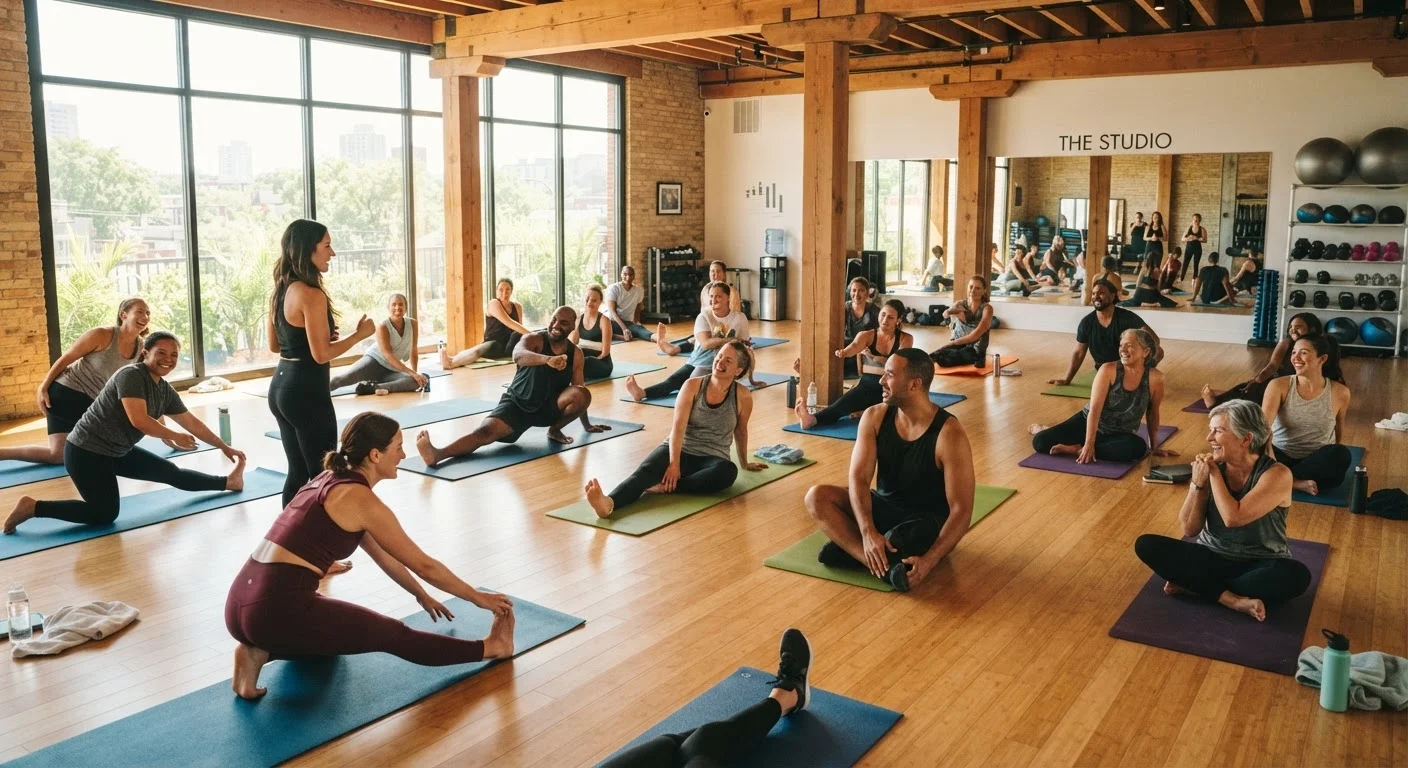
Before Your First Group Fitness Class: What to Know, Expect, and Prepare

Photo: QuickSearches.net | It Doesn't Get Quicker Than This! editorial

Joining a group class for the first time can feel intimidating. This checklist covers what to bring, ask, and watch for so you start on solid footing.

Key Takeaways

  • Arriving 10–15 minutes early gives you time to introduce yourself and get oriented before class starts.
  • Wearing appropriate footwear for the class type is one of the most important — and often overlooked — preparation steps.
  • Instructors expect beginners; letting them know upfront means they can offer modifications tailored to your level.
  • Hydration and a light pre-class snack can meaningfully affect how you feel during and after a workout.
  • Soreness after your first class is normal, but sharp or joint pain during class is a signal to stop and reassess.

Why First-Class Nerves Are Normal — and Manageable

Walking into a room full of people who seem to already know the choreography, the equipment, and each other can feel daunting. That anxiety is completely common and, importantly, temporary. Research on exercise adherence consistently shows that the biggest barrier to group fitness is the first session itself — once people get through it, perceived social awkwardness drops sharply.

The goal of this checklist is not to make your first class perfect. It is to remove as many friction points as possible so you can focus on moving your body and getting a feel for whether the class format suits you. Whether you are thinking about trying a cycling class, a yoga session, or a high-intensity interval format, the preparation principles are largely the same.

If you are also exploring strength-based training on your own, see our beginner's guide to strength training for a practical overview of foundational movements and progressions.

Before You Arrive

Research the class format in advance — spin, yoga, HIIT, and barre each have different intensity levels, movement patterns, and gear requirements. Must
Contact the studio or gym to ask whether beginners are welcome and whether any prior experience is recommended. Must
Register or reserve your spot ahead of time, since many popular classes fill quickly and may have a waitlist or late-cancel fee. Must
Eat a light snack containing protein and carbohydrates roughly 60–90 minutes before class — a large meal too close to start time can cause discomfort during exercise. Should
Hydrate consistently throughout the day rather than drinking a large amount immediately before class. Must
Review any health or injury history that may affect participation, and consult a healthcare provider if you have a medical condition or chronic injury before beginning a new exercise program. Must

What to Bring

Pack a reusable water bottle — even low-intensity classes can cause dehydration, especially in heated formats like hot yoga. Must
Wear footwear appropriate for the class type: supportive cross-trainers for HIIT, cycling shoes (often rentable) for spin, and bare feet or grip socks for yoga and barre. Must
Bring a small towel for sweat — many studios provide them, but confirming beforehand prevents an unpleasant surprise. Should
Pack a change of clothes or a clean top if you plan to run errands after class — comfort post-workout matters. Nice to have
Carry a small, light snack for after class to support recovery, particularly if you have a long commute home. Nice to have

When You Get There

Arrive 10–15 minutes early to check in, store your belongings, and get a lay of the studio floor. Must
Introduce yourself to the instructor and let them know it is your first class — most instructors will flag modifications and keep an eye on your form. Must
Choose a spot with a clear line of sight to the instructor so you can follow demonstrations without craning your neck. Should
Ask the instructor about any equipment setup — seat height on a bike, strap adjustments on a reformer — before class begins rather than fumbling during the warmup. Should

During the Class

Follow the instructor's cues for modifications — most moves have an easier version, and using it is smart, not a shortcut. Must
Listen to your body throughout: reduce effort or pause if you feel dizzy, short of breath beyond normal exertion, or experience sharp pain. Must
Avoid comparing your pace or range of motion to others in the room — group classes include people at many different fitness levels. Should
Stay through the cooldown and stretching segment, which helps manage heart rate and supports muscle recovery. Should

After Class

Rehydrate promptly after class and continue drinking water over the next few hours. Must
Expect some muscle soreness in the 24–48 hours following your first class — this is a normal physiological response known as delayed onset muscle soreness (DOMS). Should
Note what worked and what felt too challenging so you can communicate this to the instructor before your next session. Nice to have

What to Bring and How to Gear Up

You do not need to spend heavily to show up prepared. The essentials are minimal: appropriate footwear, a water bottle, and clothes you can move freely in. What constitutes appropriate footwear varies meaningfully by class type — a cushioned running shoe that works well on a treadmill may not give you the lateral support needed in an aerobics or dance-based class, and is typically not permitted in barre or reformer pilates studios.

When in doubt, call or message the studio before your first visit. Staff are accustomed to fielding first-timer questions, and a two-minute conversation can save you from showing up with the wrong gear or missing something the class requires.

Required

Supportive athletic footwear

Provides stability and impact protection for most group fitness formats; wrong footwear is a common cause of foot and ankle discomfort.

Required

Reusable water bottle

Keeps you hydrated throughout class without relying on disposable cups or studio vending.

Optional

Exercise mat

Required for floor-based classes like yoga, pilates, or HIIT; many studios provide them, but having your own is more hygienic.

Optional

Grip socks

Recommended or required for barre and reformer pilates classes to prevent slipping on smooth surfaces.

Optional

Small gym bag or backpack

Lets you carry and organize your gear — towel, water, change of clothes — without fumbling at the locker room.

Many studios rent or lend basic equipment like mats and cycling shoes. Ask about this when you register — it lets you try the class before investing in specialized gear.

What to Expect Once You're In the Room

Group fitness instructors are trained to manage rooms with mixed experience levels. When you tell an instructor it is your first class, you are giving them information they actively want — it shapes how they cue modifications, where they position themselves, and how closely they monitor the room.

Most classes follow a predictable structure: warmup, main work block, cooldown. Staying for the entire session, including the cooldown, matters more than you might think. Skipping it can leave heart rate elevated abruptly and miss the stretching that supports recovery.

Know the Difference Between Discomfort and Pain

Muscle fatigue and mild breathlessness are normal parts of exercise. Sharp, sudden, or joint-specific pain is not. If you experience chest tightness, dizziness, or pain that feels wrong during class, stop immediately and inform the instructor. Do not push through these signals — they warrant evaluation by a healthcare professional before you resume activity.

Heated Classes Require Extra Caution

Hot yoga and similar heated-format classes place additional stress on the cardiovascular system. Individuals with certain heart conditions, blood pressure issues, or who are pregnant should consult a healthcare provider before participating. Heat-related illness can develop quickly — watch for nausea, confusion, or cessation of sweating and exit the room immediately if these occur.

One often-overlooked factor is workout sequencing on days when you plan to do additional exercise. If you are curious about how group fitness fits into a broader training routine, our article on cardio vs. strength training order explains what exercise science says about organizing your sessions.

Always Disclose Health Conditions to the Instructor

Many studios ask you to complete a health intake form before your first class — fill it out honestly. If there is no form, verbally tell the instructor about any recent injuries, surgeries, cardiovascular conditions, or pregnancy. This information allows them to offer appropriate modifications and keeps you safe. This article provides general fitness preparation information and is not a substitute for guidance from your physician or a certified fitness professional.

This article is for general informational and educational purposes only and does not constitute medical or professional fitness advice. Consult a qualified healthcare provider before beginning any new exercise program, particularly if you have an existing health condition, injury, or are pregnant.

Health & Wellness Editorial Team

QuickSearches.net | It Doesn't Get Quicker Than This!

Health & Wellness Editorial Team is the collective byline for our editorial team and contributor network. Articles published under this byline or an editorial pen name are researched, written, and reviewed according to our editorial standards for clarity, consistency, and independence before publication.

Nutrition BasicsFitness & MovementMental Wellness
View author profile

The content on this site is provided for informational purposes only and should not be considered a substitute for professional advice. While we strive to provide accurate and up-to-date information, we make no guarantees regarding its completeness or accuracy. Always consult a qualified professional for advice specific to your circumstances before making any decisions