
Building an Emergency Fund When Your Budget Is Already Stretched Thin

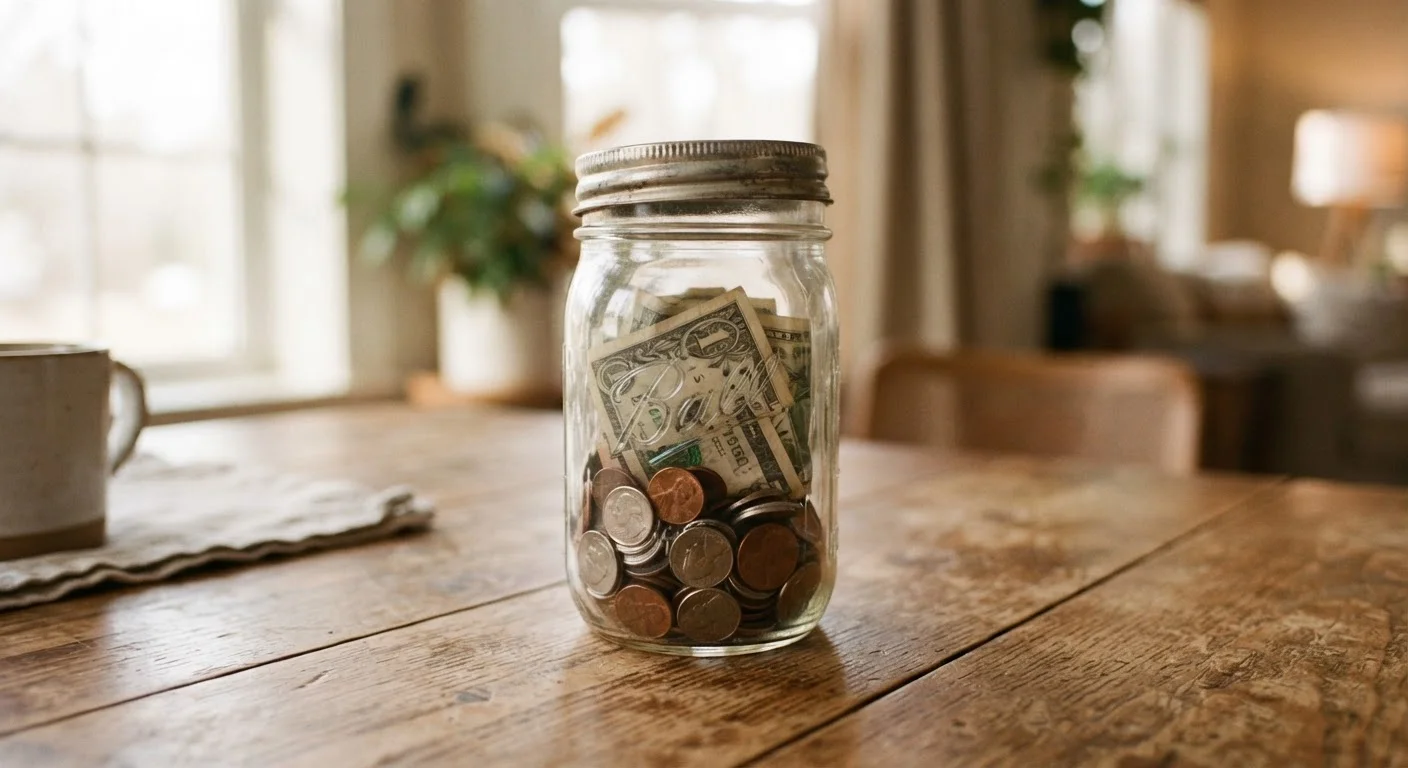
Photo: QuickSearches.net | It Doesn't Get Quicker Than This! editorial
Key Takeaways
- Starting with a $500 goal is more achievable and still protects against most common financial emergencies.
- Automating even a small transfer each paycheck builds the saving habit before the balance feels meaningful.
- A high-yield savings account keeps your fund accessible while earning more than a standard account.
- Windfalls like tax refunds and overtime pay are the fastest way to jumpstart savings.
- Emergency funds and sinking funds serve different purposes - knowing the difference helps you plan smarter.
Why a Small Emergency Fund Matters More Than You Think
When every dollar is already committed to rent, utilities, groceries, and debt payments, saving anything can feel pointless. But the math works against people who carry no cushion at all. A $400 car repair paid on a credit card at 20-25% APR doesn't just cost $400 - it costs more over time and adds a monthly minimum payment that tightens the budget even further. The emergency fund breaks that cycle.
Even a modest reserve changes behavior. It shifts your response to a crisis from "what do I charge?" to "what do I have saved?" That shift has real long-term value. If you own a home, your emergency fund needs to account for property-specific risks that renters don't face - our article on the emergency fund rule for homeowners explains how those calculations differ.
What you will need
The Step-by-Step Plan
Follow these steps in order. You don't need to complete them all at once - but each one builds on the last, and skipping steps (especially automation) tends to undermine long-term results.
High-yield savings account
Keeps emergency funds separate from spending money while earning more interest than a standard savings account.
Automatic transfer or bill-pay feature
Schedules recurring transfers to savings so the habit happens without willpower.
Spending tracker or budgeting app
Identifies where small amounts of money can be redirected to savings each month.
Set a realistic first target - not three to six months
Financial guidance often says to save three to six months of expenses. That number is correct as a long-term goal, but it can feel paralyzing when you're living paycheck to paycheck. A more useful starting target is $500. That amount covers a car repair, a surprise medical copay, or a broken appliance - the kinds of emergencies that typically send people to a credit card. Research from the Consumer Financial Protection Bureau and other consumer finance bodies consistently shows that households with even a small liquid cushion are significantly less likely to fall into debt after an unexpected expense.
Find the money by auditing your current spending
Before you look for extra income, look at what's already leaving your account. Review the last 30 days of bank and card statements and categorize every transaction. Most people find at least one or two categories where spending is higher than expected - streaming services, food delivery, or recurring subscriptions that are no longer used. You don't need a dramatic lifestyle change; redirecting $20-$40 per month consistently adds up to $240-$480 over a year. For a structured approach to this audit, our complete budgeting guide walks through every step.
Open a separate, dedicated savings account
Keeping emergency savings in the same account as your spending money makes it too easy to dip into. Open a separate savings account - ideally a high-yield savings account offered through an FDIC-insured bank or NCUA-insured credit union. These accounts typically pay meaningfully more interest than a standard passbook account, and your money remains fully accessible. The separation also creates a psychological barrier that reduces accidental spending. Name the account something concrete like "Emergency Only" if your bank allows custom labels.
Automate a transfer on every payday
Set up an automatic transfer from your checking account to your emergency savings account on the same day - or the day after - you get paid. Even if the amount is $10 or $15, the automation matters more than the dollar figure at first. You are building a system and a habit. As your budget stabilizes or you trim expenses, increase the transfer amount. Most banks let you schedule recurring transfers for free through online or mobile banking. Treat this transfer like a bill: non-negotiable.
Accelerate with windfalls and irregular income
Regular contributions build the habit, but windfalls build the balance faster. When you receive a tax refund, overtime pay, a cash gift, or a side-gig payment, direct a meaningful portion - ideally 50% or more - straight to your emergency fund before it hits your checking account. A single average federal tax refund deposited directly into savings could complete your initial $500 target in one move. Treat windfalls as a savings opportunity, not a spending budget. Once you hit $500, keep the same approach going as you build toward one month of expenses, then three.
Protect the fund by defining what counts as an emergency
An emergency fund is for genuine, unexpected, necessary expenses - job loss, urgent car repair, an unavoidable medical bill. It is not for a sale you don't want to miss, a planned vacation, or a predictable annual expense. Planned, recurring costs - car registration, holiday spending, annual insurance premiums - belong in a sinking fund, which is a separate savings tool designed exactly for those predictable expenses. Keeping those two categories mentally and practically separate is what makes your emergency fund available when you actually need it.
Review Your Progress Monthly
This article provides general financial information for educational purposes only and is not personalized financial advice. Consult a qualified financial professional for guidance specific to your situation.
The content on this site is provided for informational purposes only and should not be considered a substitute for professional advice. While we strive to provide accurate and up-to-date information, we make no guarantees regarding its completeness or accuracy. Always consult a qualified professional for advice specific to your circumstances before making any decisions